
Sweepstakes Casino VIP Programs in 2026: What Loyalty Rewards Actually Deliver
 Available in US
I’ve had conversations with players who assume VIP tiers at sweepstakes casinos are mostly cosmetic — a diamond icon next to your username and maybe a birthday bonus. That assumption is worth testing against the actual program structures. At the platforms where VIP has been developed seriously, the loyalty economics are meaningful: the difference between a base-tier and a top-tier player’s SC accumulation rate can be significant over a year of consistent play. At platforms where VIP is mostly window dressing, the “program” amounts to a few extra Gold Coins per month and a dedicated support email. This piece tells you which category different platforms fall into.
How VIP Tiers Work in Sweepstakes Casinos
The structural design of VIP programs at sweepstakes casinos mirrors loyalty programs in real-money gaming and social casino apps, but with the currency model adapted to the dual-currency framework. The core mechanism is consistent: players accumulate loyalty points or tier progress through Gold Coin wagering activity, and higher tiers unlock benefits that compound over time.

Tier qualification at most established platforms is based on Gold Coin wager volume over a rolling period — typically monthly or quarterly. Note that it’s wager volume, not net spend: a player wagering the same GC on multiple sessions generates more tier progress than a player making a single large purchase and not playing frequently. This structure rewards consistent play activity over irregular large purchases.
The lifetime value economics behind this design are significant. Gaming Innovation Group’s data on sweepstakes casino player value estimates player LTV at up to $1,000 over two years, with an average ARPU of $10-50 per month depending on engagement level. VIP programs are the mechanism that captures the higher end of that range — operators structure tier benefits to increase session frequency and retention among players who have demonstrated willingness to engage consistently.

What do higher tiers actually deliver? The benefits that provide meaningful SC value are: accelerated SC earn rates per GC wagered, exclusive SC reload offers not available to base-tier players, dedicated account management for top-tier players (which functions as faster issue resolution), higher limits on prize redemptions, and access to exclusive game releases or beta content. The benefits that are mostly symbolic are: cosmetic badges, named tier status, and token birthday bonuses that amount to minimal SC.
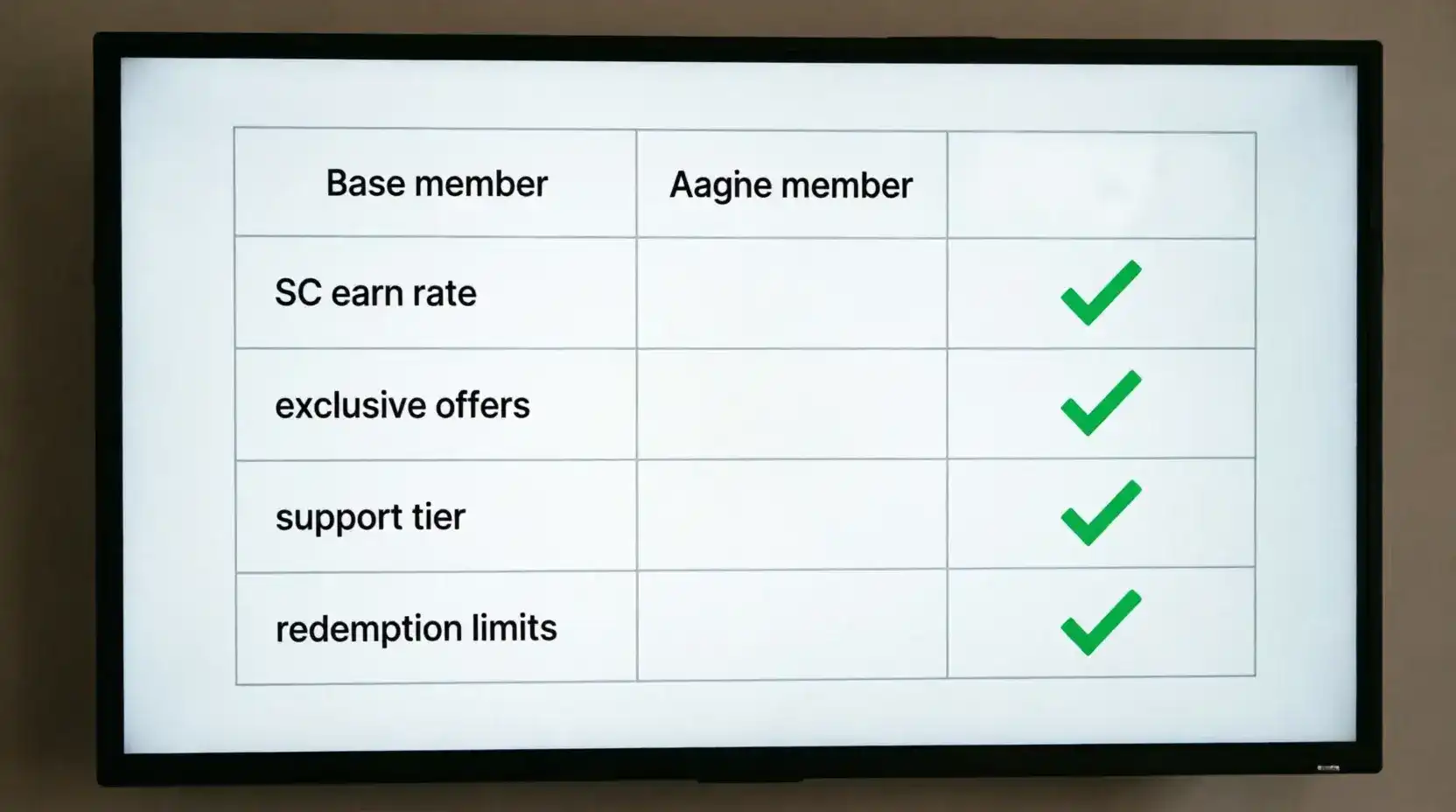
The distinction matters because it tells you what to look for when evaluating a VIP program. Ask specifically: does the VIP tier change my SC earn rate per dollar of GC wagered? If yes, by how much? A platform offering 2x SC earn rate at its top tier versus a platform offering a cosmetic badge and a few extra GC is a fundamentally different proposition for a frequent player.
Top Platforms With the Best VIP Programs: Side-by-Side Review
Chumba Casino operates what is effectively the benchmark VIP structure in the US sweepstakes market, reflecting VGW’s investment in player retention infrastructure. The program runs multiple tiers with documented SC earn rate multipliers at higher levels and a dedicated VIP support team for top-tier players. For players who purchase consistently, the SC accumulation advantage from VIP tier status is real and measurable over a year of play.

Pulsz has developed a VIP structure that competes directly with Chumba in the upper tier range. The promotional events targeted at VIP players are more frequent than at some comparable platforms, which means the benefits arrive through multiple channels rather than being concentrated in a single earn-rate multiplier. For players who value varied delivery of loyalty rewards over a single large structural advantage, Pulsz’s VIP approach may feel more engaging.
Stake.US brings a different philosophy to loyalty — the platform’s “Rakeback” system, adapted from its real-money international operation, delivers SC value as a percentage of wagering activity in near-real-time. This is more transparent than a tier-based system because the value return is calculable from the stated percentage rather than requiring players to track tier progress against unstated thresholds. For players who want to understand exactly what their activity is worth in loyalty terms, this structure is more legible.
The platforms that have invested in loyalty programs serious enough to affect player economics tend to show one common signal: they publish tier structures with specific SC earn rate multipliers or documented benefit tiers rather than vague marketing language about “exclusive rewards.” Ask specifically — or look in the program documentation — for the answer to: “How does my SC per dollar wagered change from the base tier to the top tier?” A platform that answers that question with a specific number is worth evaluating. One that answers with “enhanced benefits and personalized rewards” is probably still building the program.
VIP programs at sweepstakes casinos also carry one structural consideration that differs from loyalty programs at real-money casinos: the currency of qualification (Gold Coins, which are purchased or received for free) is not the same as the currency of the prize you’re working toward (Sweeps Coins). A VIP tier that increases your SC earn rate per GC wagered is the most direct form of loyalty return — it increases the SC accumulation rate for both purchasing and non-purchasing play activity.
Gaming Innovation Group’s analysis of the sweepstakes category found that player lifetime value can reach up to $1,000 over two years, with average monthly spend in the $10-50 range. Those figures frame the economic logic behind VIP programs: operators are investing in retention tools because the long-term revenue from a retained player substantially exceeds the cost of the loyalty rewards delivered. Understanding that arithmetic as a player helps you evaluate whether any specific VIP benefit is genuinely generous or just enough to keep you engaged at minimal cost to the operator.
The best practical approach to evaluating VIP programs before you invest time in a platform is this: find a player community — Reddit’s sweepstakes gaming forums, platform-specific Facebook groups, or Discord servers — where actual VIP players at your target platform discuss their experience. Self-reported VIP tier benefits from real players provide ground-truth data that the platform’s marketing copy does not. If experienced players in top tiers of the program are enthusiastic about the SC return on their play volume, that’s meaningful. If they’re reporting that the benefits are mostly cosmetic despite years of consistent engagement, that tells you something equally useful. The redemption mechanics that interact with VIP-tier SC are detailed in the sweepstakes casino payout and redemption guide.

The full picture is in our complete guide to US sweepstakes casinos.
The entry-level offers are in the sign-up bonus rankings.
Published by the SweepEdge team.