
Sweepstakes Casino Account Verification: What KYC Requires and How to Pass It Fast
 Available in US
KYC — Know Your Customer — is the step where most sweepstakes casino frustrations actually happen. Players accumulate SC over days or weeks, reach the 50-coin redemption minimum, request their payout, and then discover that the identity verification process adds days to the timeline they hadn’t accounted for. Or worse: they submit documents that get rejected, wait another cycle, and lose momentum at the exact moment they were most engaged with the platform. Nine years of watching this pattern has convinced me that the gap between “player who has a great first-redemption experience” and “player who has a frustrating one” is almost entirely about KYC preparation. This guide covers exactly what’s required, why it matters, and the specific errors that cause documents to fail verification.
What Documents Are Required for KYC at Sweepstakes Casinos
The standard KYC package at sweepstakes casinos runs two documents: a government-issued photo ID and a proof of address. This is the same framework used by licensed online casinos and most financial platforms. But the implementation details matter significantly, and the variation between what different platforms require — and how they verify it — affects how smoothly the process goes.
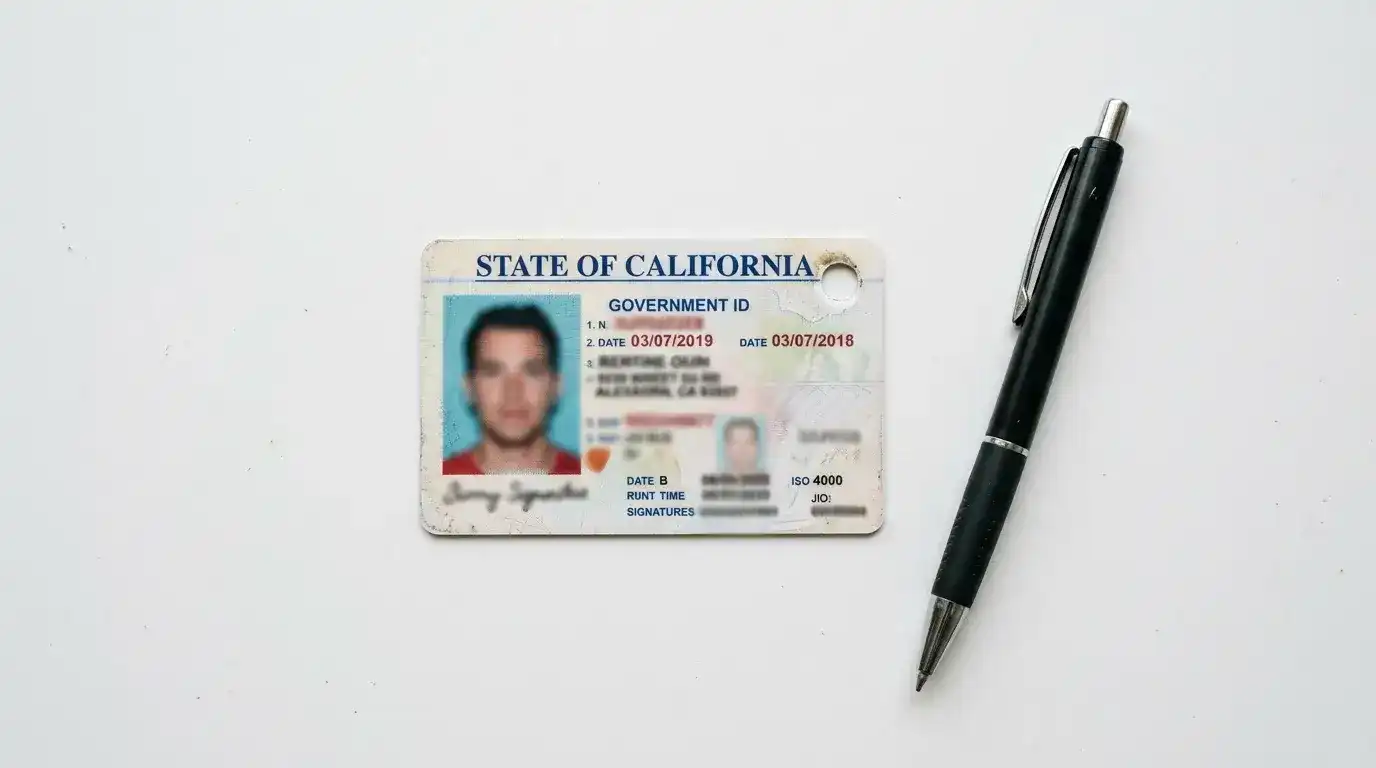
For government-issued photo ID, a US state driver’s license or passport is accepted at every sweepstakes casino. The document must be current (not expired), show your full legal name, and include a clear photo. Military ID and state-issued non-driver ID are accepted at most platforms. The ID submitted must match the name and date of birth provided during account registration — discrepancies between your registration information and your ID are the most common cause of initial KYC rejection. If your name on the ID uses a middle initial and your account was created with a full middle name, that inconsistency can delay verification. Use exactly the name as it appears on your primary ID when registering.
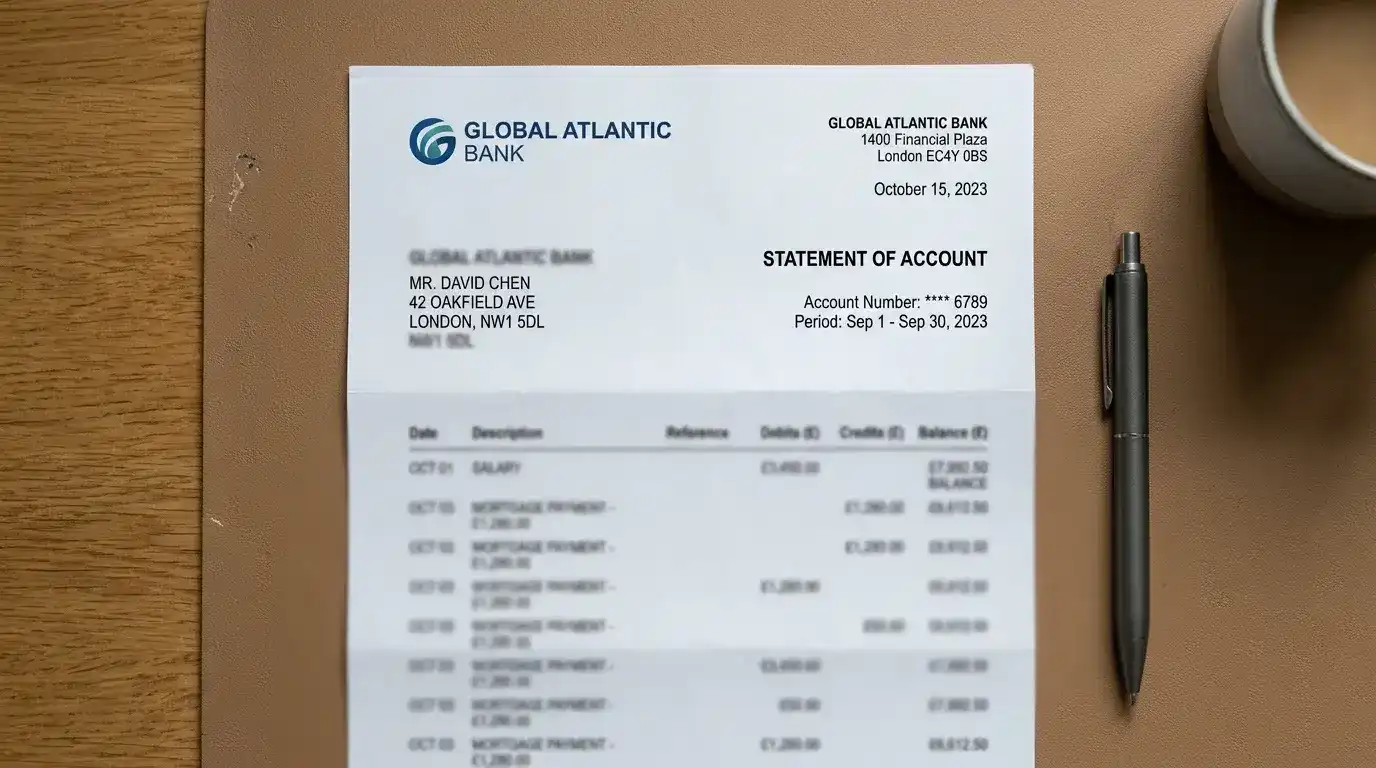
Proof of address documentation needs to show your current physical address — the same address listed on your account — and be dated within the past 90 days in most platform guidelines. Bank statements, utility bills, and government-issued mail (tax documents, official correspondence) are the most universally accepted. Some platforms also accept lease agreements or mortgage statements. Credit card statements are accepted at some platforms and rejected at others — when in doubt, a utility bill or bank statement is safer. The document must show your full name as it appears on your ID, not just an initial, and the address must match your account registration address exactly, including apartment numbers.
The AGA has documented how sweepstakes casinos position themselves as equivalent to licensed gaming platforms in the player experience: “sweepstakes casinos mirror licensed gambling operators — resulting in most players treating them exactly like licensed gambling platforms.” That positioning is nowhere more visible than in the KYC process. The verification requirements are identical to what licensed online casinos impose, because both categories share the same underlying purpose: verifying that you are who you say you are and that you are not in a restricted jurisdiction.
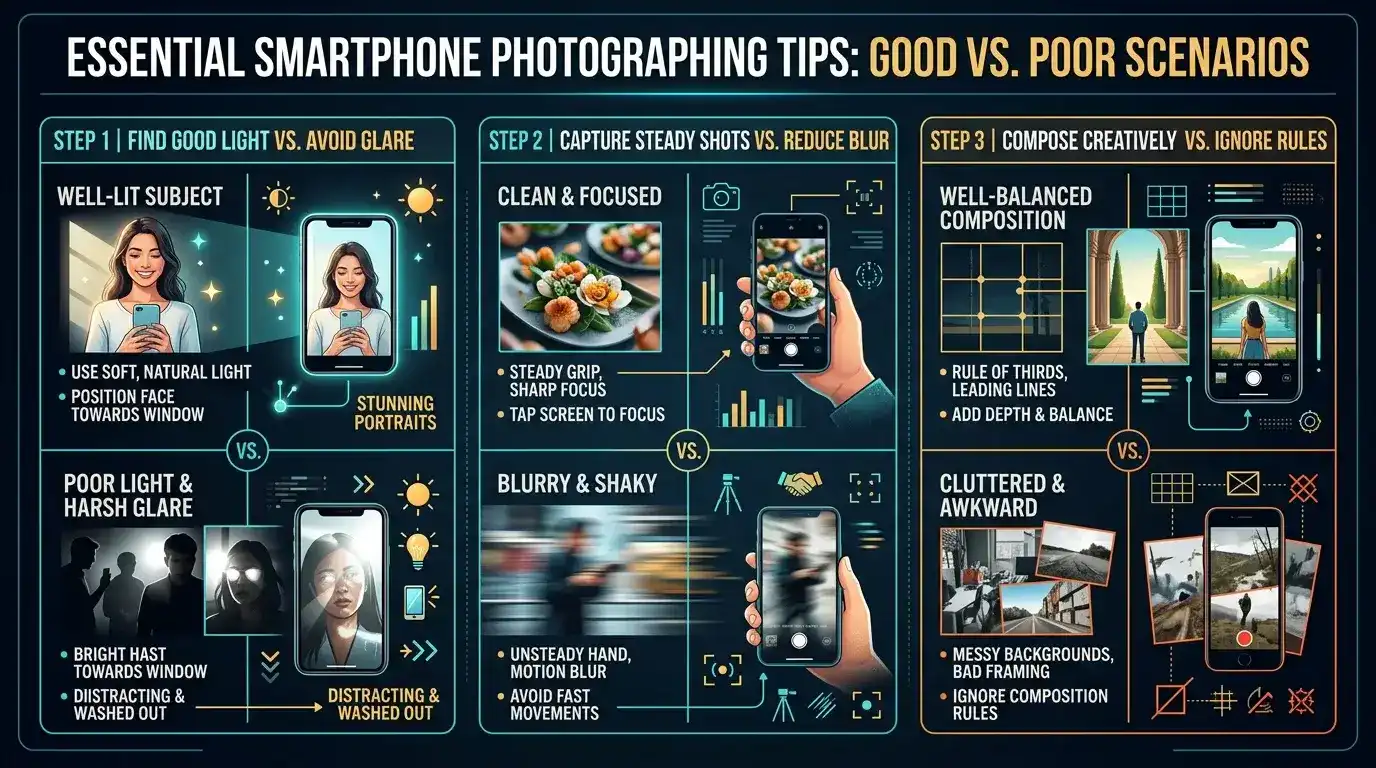
Document image quality is where most technical rejections originate. Phone camera submissions are universally accepted, but the images must be clear, fully within the frame, and well-lit. The four corners of the document must be visible. There should be no glare on shiny ID surfaces — tilting the ID slightly away from direct light when photographing usually eliminates this problem. Black-and-white or low-resolution images of documents are rejected. Front and back photos are required for driver’s licenses at most platforms; submitting only the front is a common reason for verification requests to come back as incomplete rather than failed.
How to Complete Verification Quickly and Avoid Common Rejection Reasons
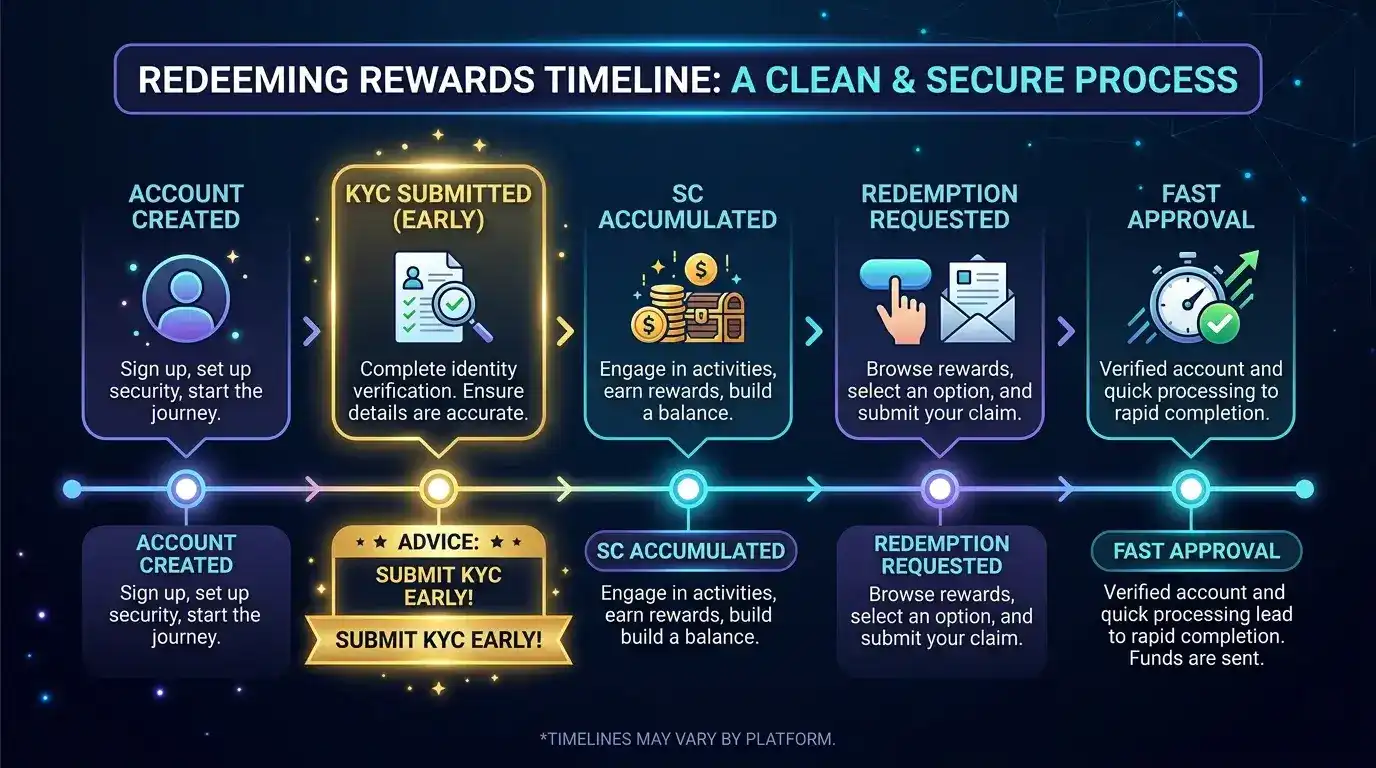
The fastest path through KYC is submitting complete, high-quality documents before you need a payout. The first thing to internalize: KYC processing time at established platforms runs 1-5 business days when documents are submitted cleanly, but this clock starts from submission. A player who submits documents the day they request a redemption is adding those processing days to the payout timeline unnecessarily. Submit KYC the week you create your account, not the week you hit your first redemption minimum.
More than 70% of US adults check reviews before installing a new app, and most specifically look for information about cancellation and withdrawal complexity. The platforms with the most complaints about verification are universally the ones where the KYC process is opaque — no clear document list, unclear what “proof of address” qualifies, inconsistent rejection reasons. The platforms with the smoothest KYC experiences provide a clear document checklist in the verification section of the platform and give specific rejection reasons when documents don’t pass, rather than generic “verification failed” messages.
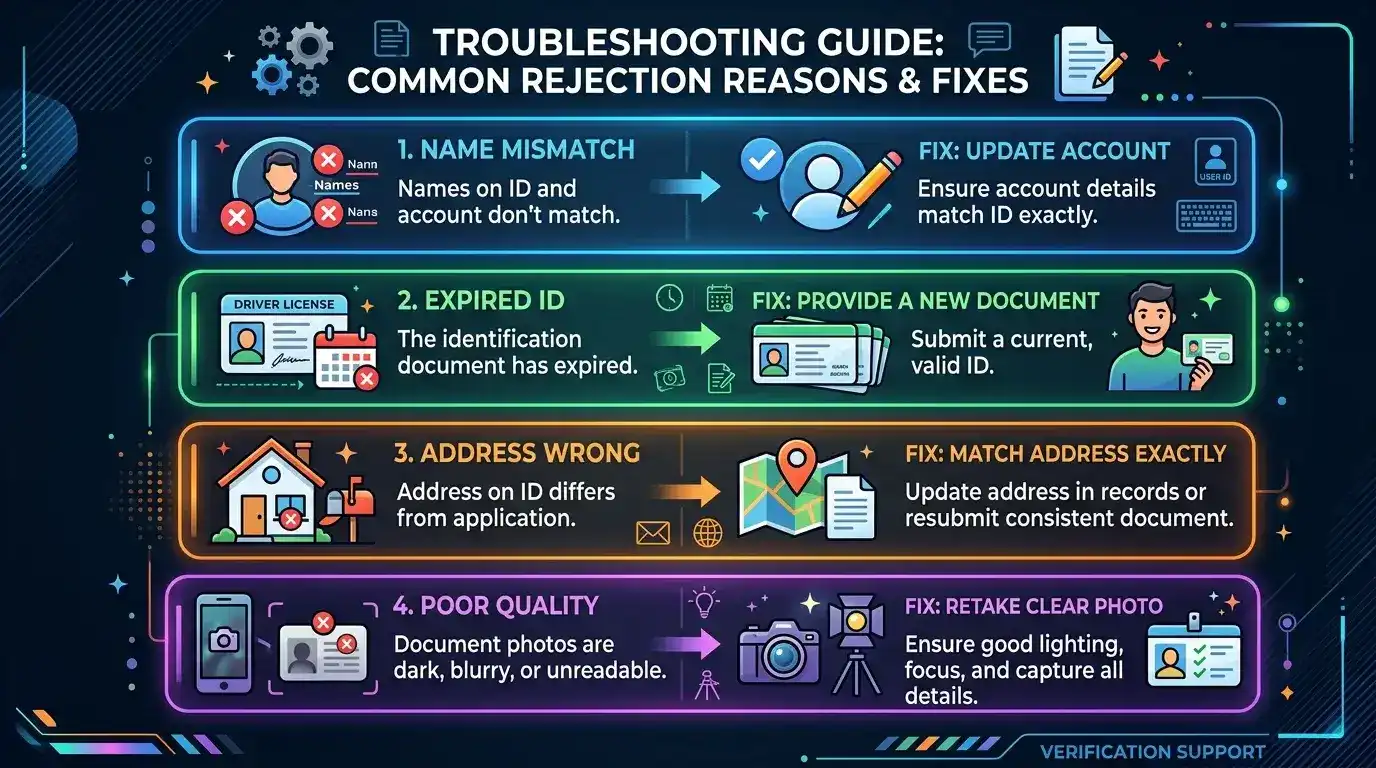
If your KYC is rejected, the rejection reason tells you exactly what to fix. “Document expired” means submit a current document. “Name does not match account details” means check your account registration name against the exact name on your ID and update one or the other through platform support before resubmitting. “Address not visible” means your proof of address is too dark, cropped, or low-resolution to read the address clearly. “Document type not accepted” means the specific document you submitted (often a credit card statement) isn’t on the platform’s accepted list — use a bank statement or utility bill instead.

If your account is restricted pending verification and you’re unable to login normally, contact the platform’s support directly with the email associated with your account, explain that you’ve submitted KYC documents, and ask for a status update. At established platforms, support can see verification queue status and can flag time-sensitive cases for expedited review when a pending redemption is involved. The payout and redemption guide covers what happens after KYC clears and the redemption processing begins.
The full picture is in our complete guide to US sweepstakes casinos.
Verification is the step before redeeming Sweeps Coins.
Created by the "SweepEdge" editorial team.