
Chumba Casino Review 2026: The World's Largest Sweepstakes Casino Examined
 Available in US
Chumba Casino has been in the market long enough that it’s become a default reference point — the platform people name when they hear “sweepstakes casino” for the first time. That recognition creates a specific analytical challenge: separating what Chumba actually delivers from what people assume it delivers based on its market position. I’ve been tracking Chumba’s performance for years, and the honest assessment in 2026 is more nuanced than “biggest equals best.” The platform earns its place at the top of the market through genuine operational performance, not just brand inertia.
Chumba Casino at a Glance: Key Stats and Platform Facts
Chumba Casino is operated by VGW Holdings, a company headquartered in Guernsey (having completed a domicile transfer from Australia) that also runs LuckyLand Slots and Global Poker. The financial scale involved here is genuinely significant. VGW’s total group revenue for FY2025 reached A$7.3 billion (approximately $5.2 billion USD), representing 19% year-over-year growth. Chumba Casino itself accounted for A$5.2 billion ($3.7 billion USD) of that figure — a 25% increase over the prior year’s A$4.16 billion.
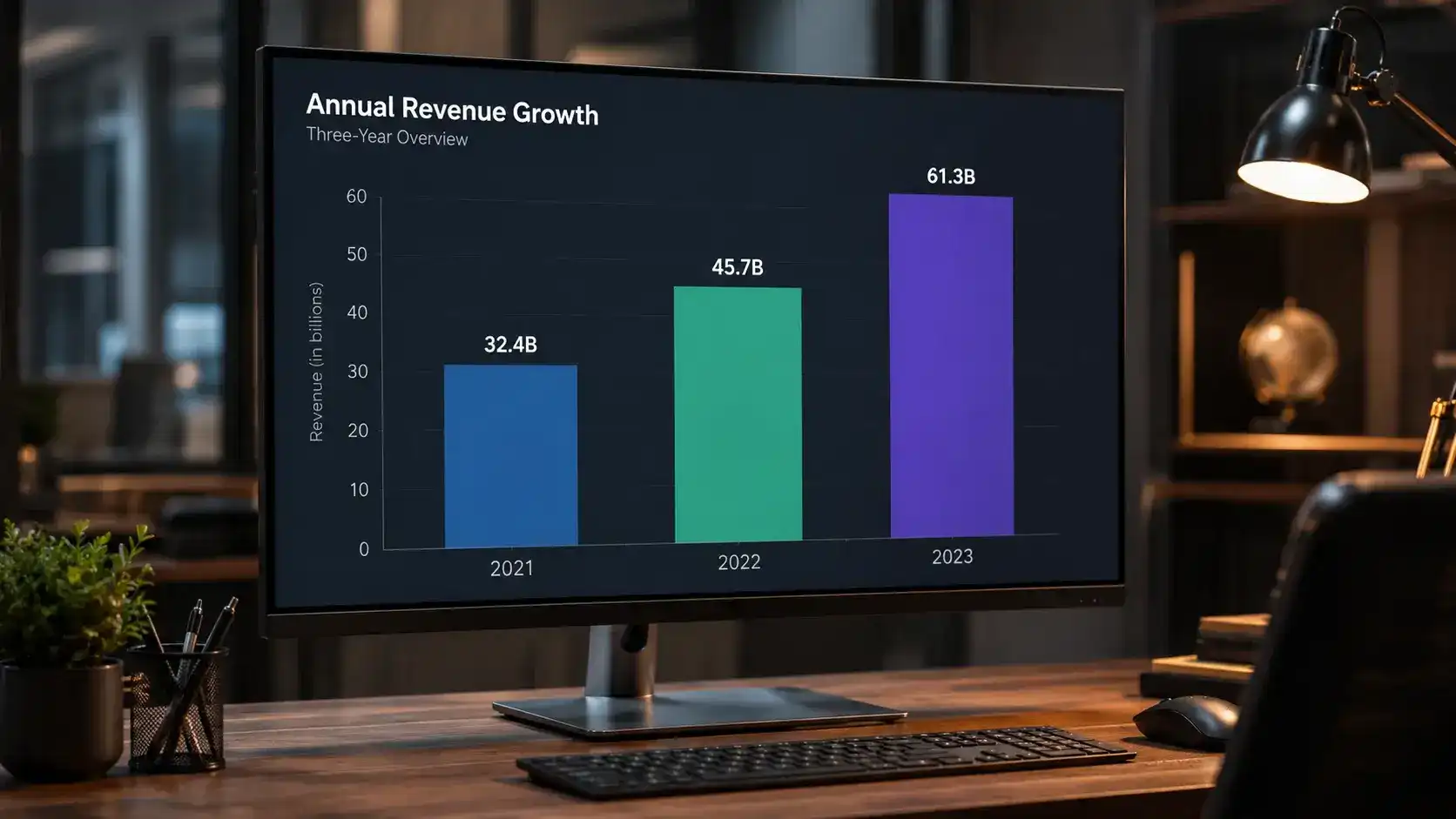
Those numbers tell you something specific: Chumba isn’t just the most recognized sweepstakes platform, it’s the one that processes the most transaction volume by a significant margin. For players, that operational scale translates to payout infrastructure that has been stress-tested at a level no other sweepstakes platform has reached. When VGW reports having paid $2.83 billion in prizes in FY2023-24 — up from $2.2 billion the prior year — that’s documented payout performance at scale, not a promotional claim.
Chumba’s game library runs primarily through VGW’s proprietary game development pipeline. This gives VGW direct control over RNG certification, game mechanics, and RTP profiles, which is worth noting because proprietary games have more operator-controlled variance parameters than licensed third-party titles. The trade-off is a more curated library compared to platforms that aggregate from multiple providers — Chumba offers depth in specific categories rather than breadth across all formats.
Games, Bonuses, and Redemption at Chumba Casino
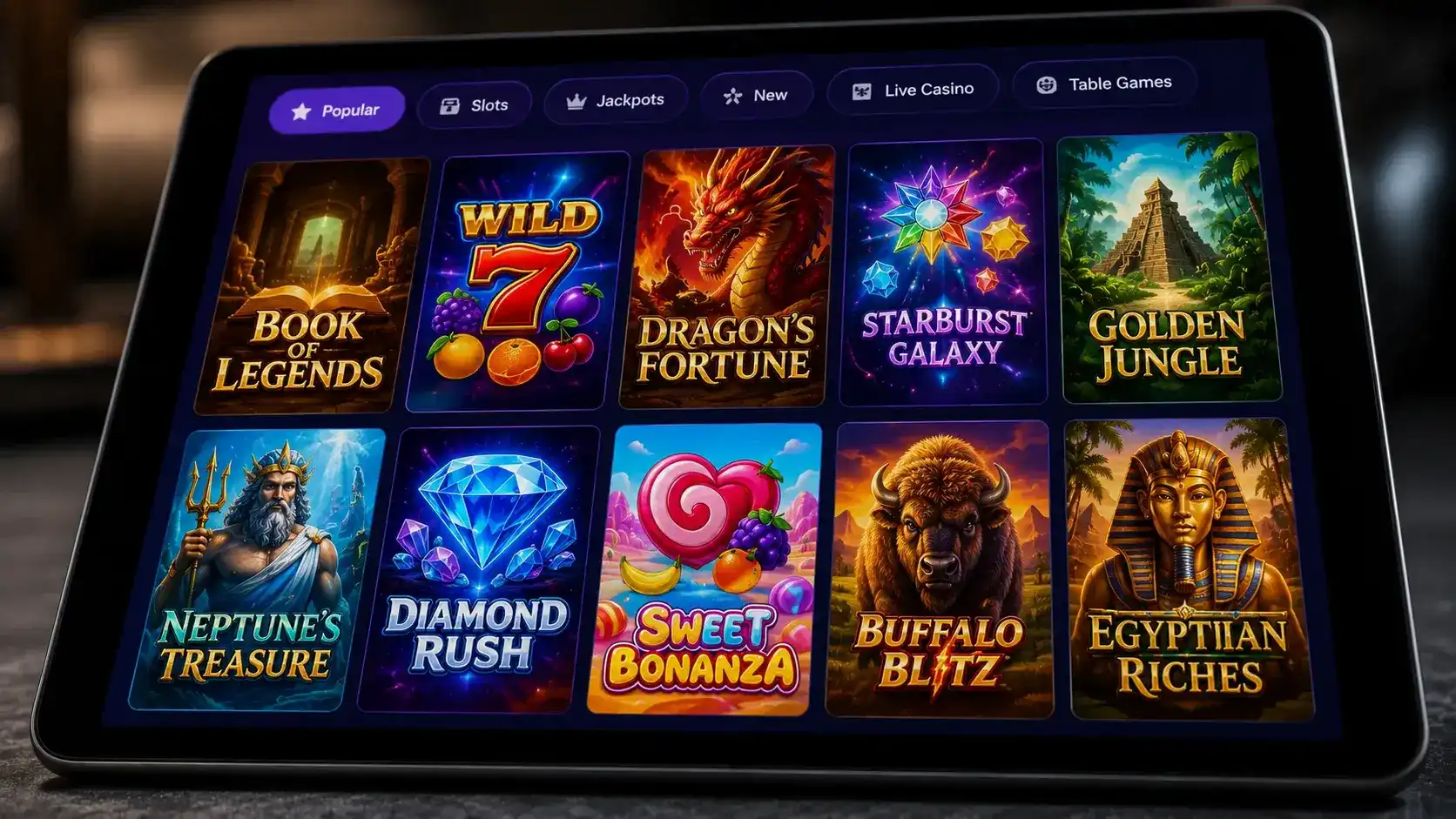
The game catalog at Chumba skews heavily toward slots, which is where the platform’s investment in proprietary development is most visible. The titles are visually polished and mechanically diverse enough to keep slot players engaged without the monotony that can develop when a platform runs variations of the same base game under different skins. Table games are present but not the focus — blackjack and roulette are available in standard digital formats.
Chumba’s bonus structure at registration follows the standard dual-currency model: a Gold Coin allotment for play-for-fun sessions and a Sweeps Coin credit that is redeemable. The SC registration credit puts players within reach of the 50 SC minimum redemption threshold when combined with the daily login bonus. One notable feature is the consistency of Chumba’s daily bonus delivery — the platform has maintained reliable daily login SC credits throughout its operational history, which matters for players who plan to accumulate SC over time without purchasing.
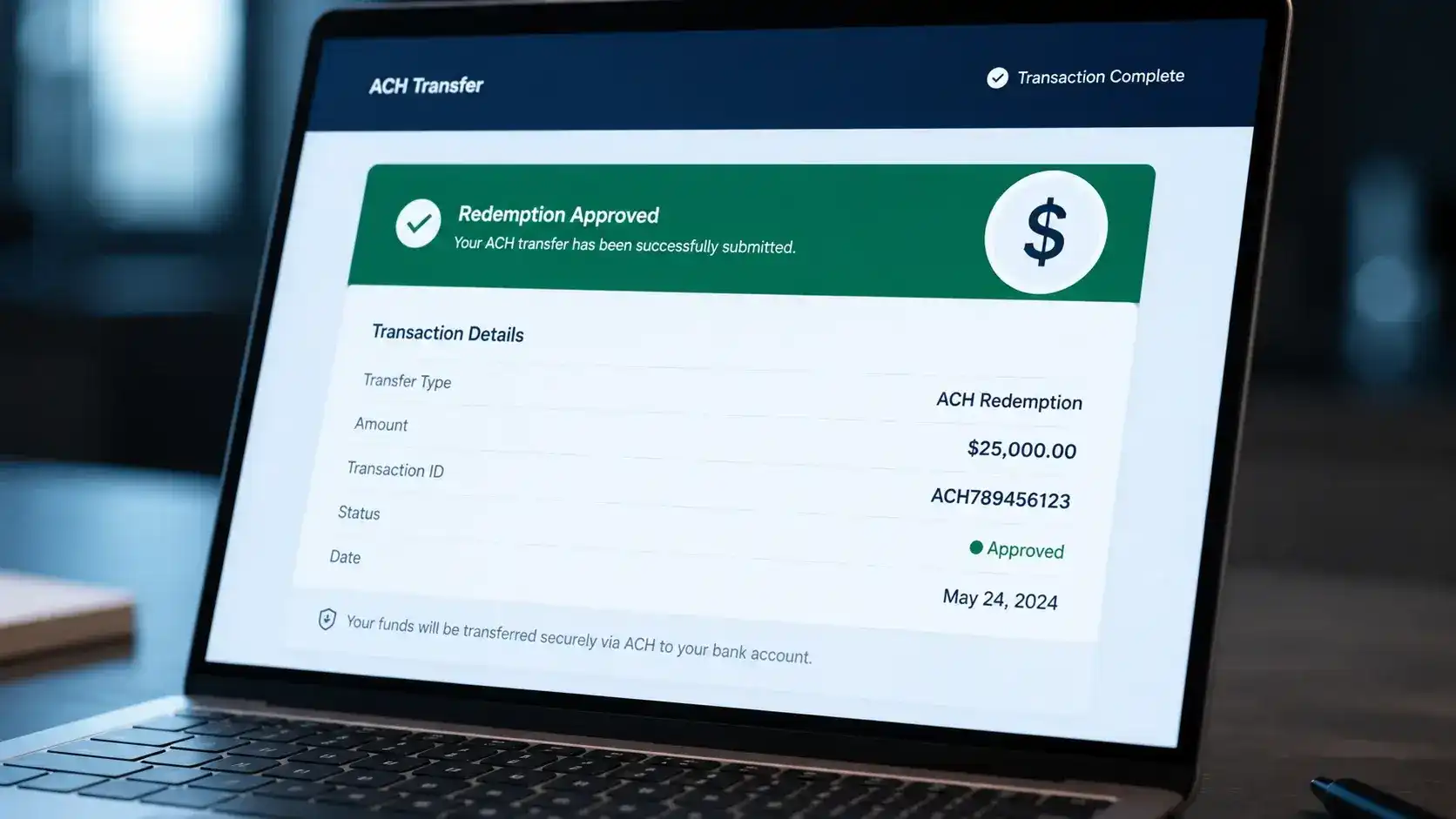
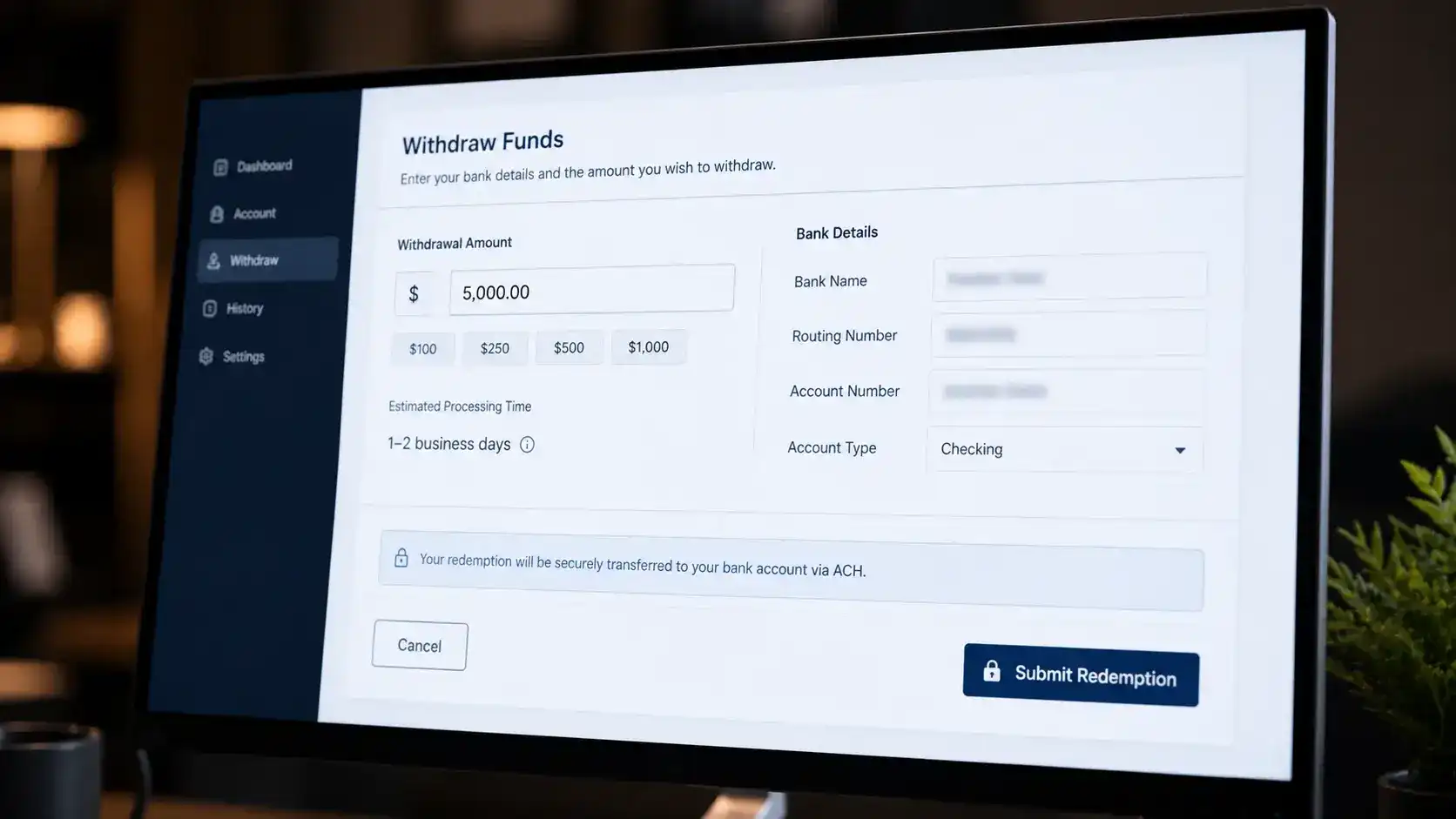
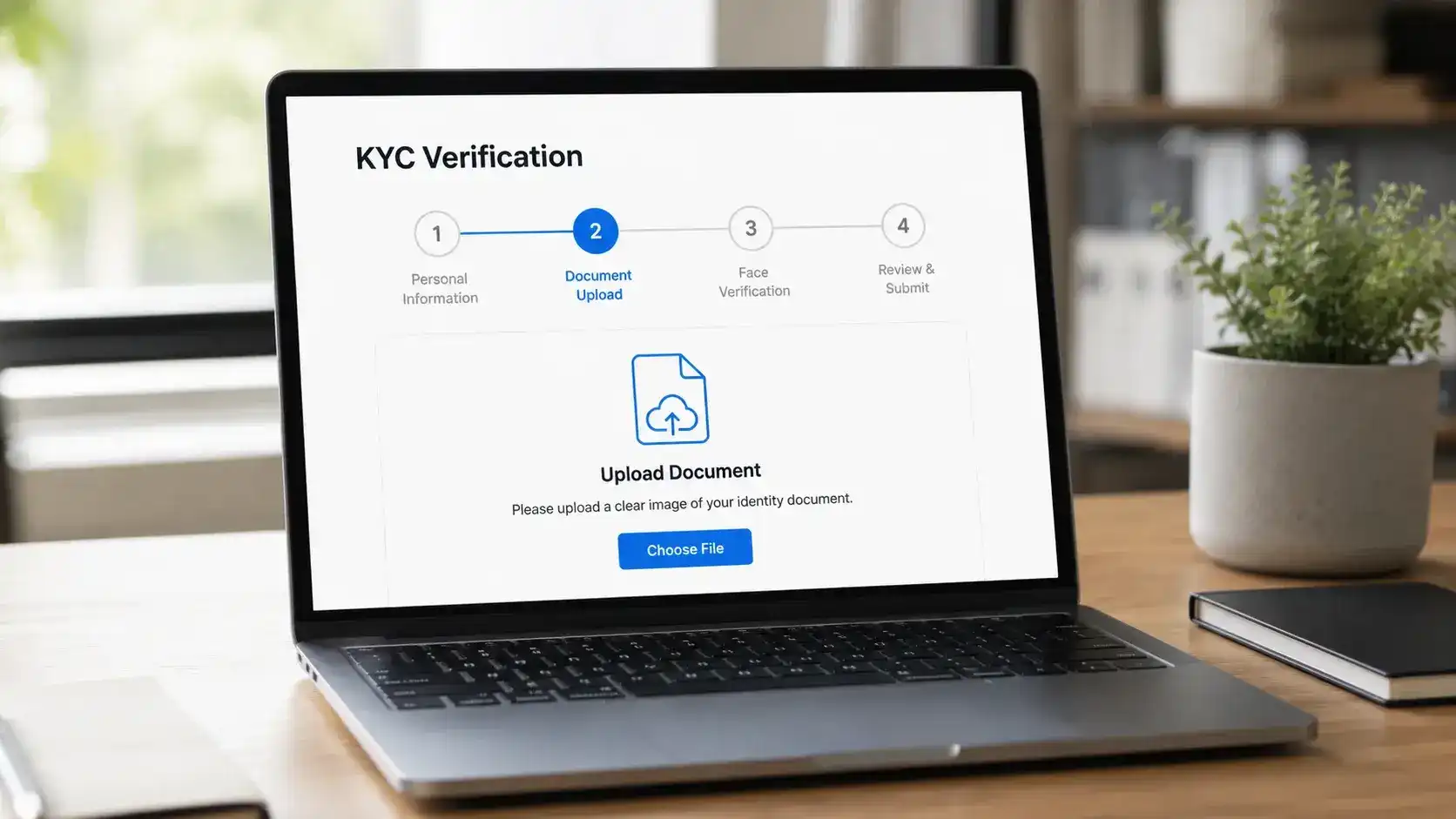
Redemption at Chumba operates through ACH bank transfer and Skrill, in line with the 2026 industry standard of 1 SC = $1 and a 50 SC minimum. Processing times for ACH transfers typically run 3-5 business days post-KYC verification. The KYC process itself requires government-issued ID and proof of address, standard across all legitimate platforms. Players who complete KYC before reaching the redemption threshold experience materially faster first-payout processing than those who initiate verification only when requesting a withdrawal.
The Gold Coin purchase structure follows VGW’s established model: packages range from smaller top-up amounts to larger bundles, with SC included as a promotional addition. The typical transaction size across VGW platforms historically runs $20-50, consistent with the broader industry ARPU data. That data point is useful context: most purchasing players at Chumba are making moderate incremental purchases, not large one-time deposits.
Chumba Casino Pros and Cons
The strongest case for Chumba in 2026 is operational credibility. VGW’s own annual report contains language that inadvertently frames Chumba’s value proposition for players: it acknowledges that regulatory pressure in the US could “substantially adversely affect” VGW’s core operations and ability to function. That kind of candid risk disclosure is only present in companies that are genuinely tracking and managing regulatory exposure — it’s a signal of operational seriousness that smaller or newer platforms don’t have to match because they haven’t built the infrastructure that warrants it.
The legitimate criticisms of Chumba are also real. The game library, for all its proprietary depth in slots, offers limited innovation relative to what players can find at platforms that aggregate from multiple third-party providers. The user interface, while functional, reflects a design language that has evolved incrementally rather than being reconceived — newer platforms have built interfaces that feel more current. And Chumba’s first-purchase bonus, while competitive, is not systematically the most generous in the market; several newer platforms with aggressive acquisition strategies have outcompeted it on raw launch bonus size.

For players who prioritize documented payout reliability and operational continuity over having the largest game variety or the newest interface, Chumba remains the strongest default choice in the US sweepstakes market. For players who want the broadest game selection or the newest platform experience, the comparison with alternatives is worth making.
One aspect of Chumba’s operation that rarely gets discussed in review content is its handling of state-level regulatory pressure. VGW’s annual report contains explicit language acknowledging that regulatory challenges in the US could materially affect operations — that kind of transparency in a corporate document reflects a legal and compliance apparatus that takes the risk seriously. For players, the practical implication is that VGW is invested in navigating the regulatory environment rather than ignoring it, which is a meaningful signal compared to operators whose entire corporate structure is designed for opacity.
The KYC experience at Chumba is streamlined compared to some smaller platforms, reflecting investment in verification infrastructure. Players report typical first-KYC processing times of 24-72 hours when documents are submitted in clear, standard formats. Government-issued photo ID plus a recent utility bill or bank statement is the standard documentation package. As with all platforms, submitting KYC before you need a payout is the approach that avoids frustration. The full sweepstakes payout and redemption guide provides the detailed comparison of processing times across platforms.
The full picture is in our complete guide to US sweepstakes casinos.
The company behind it is VGW Holdings.
Written by the editors at SweepEdge.