
Who Plays Sweepstakes Casinos? US Player Demographics, Behavior, and Motivations
 Available in US
The sweepstakes casino industry claims 38 million active users in the US. That’s a market the size of California’s entire population. But “who plays” is a question the industry has historically answered with vague generalities — “adults 18 and over,” “primarily female,” “casual gamers.” The data that has emerged from research conducted in 2025 and 2026 is sharper than that, and some of what it shows is genuinely surprising. The demographic profile of sweepstakes casino players is younger, more male, and more mobile-native than the industry’s early “casual social game” positioning implied.
Age, Income, and Platform Preferences: The 2025-2026 Data
The single most striking demographic shift in sweepstakes casino data from recent years is the age distribution. UMG Gaming’s 2025-2026 Industry Trends and Market Analysis found that 71% of sweepstakes casino players are in the 21-34 age range — a dramatic increase from 54% just two years earlier in 2023. A separate analysis found 58% of users aged 25-44. Together, these figures paint a consistent picture: the sweepstakes casino user base is disproportionately young adults, with the 21-34 cohort representing the dominant and fast-growing segment.
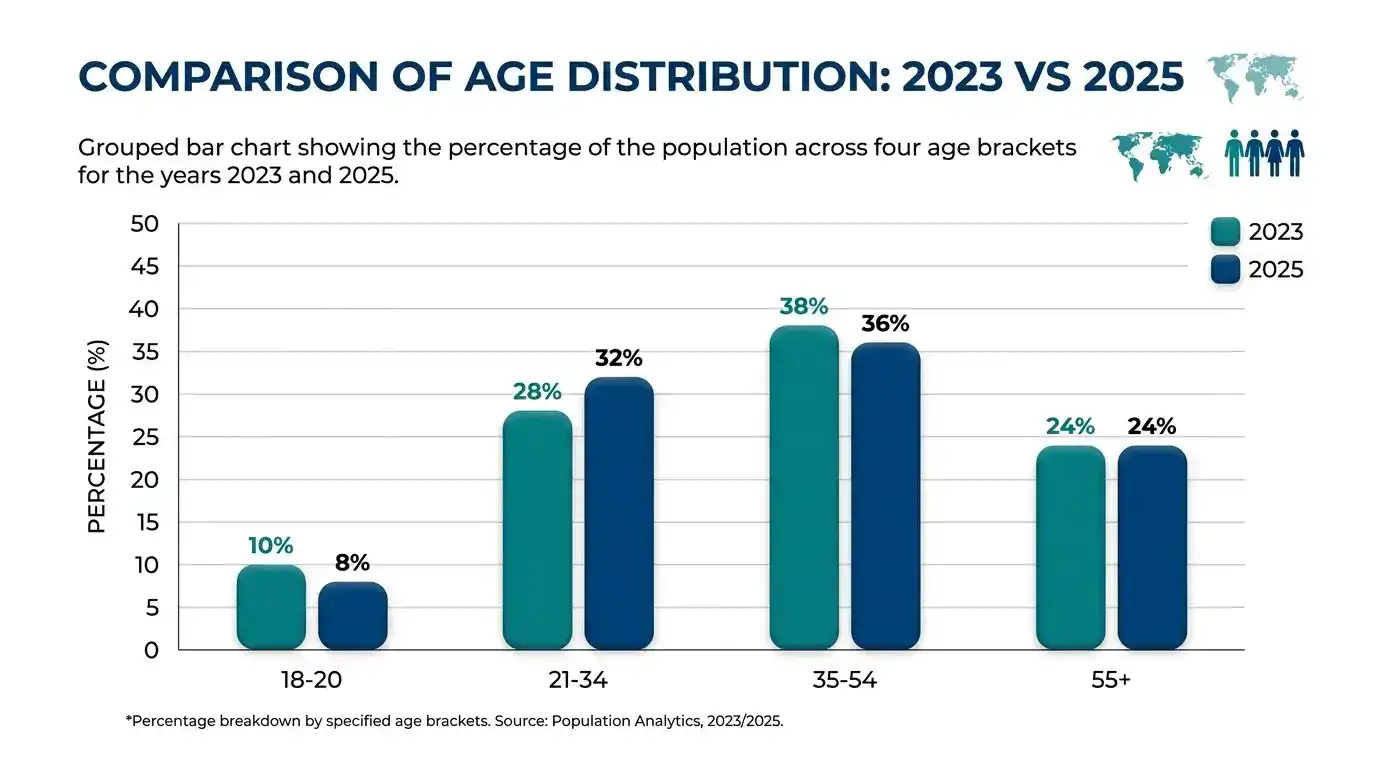
The significance of that shift goes beyond a demographic snapshot. The move toward younger players correlates with the growth in mobile-only access: 21-34 year olds are the demographic cohort most likely to be mobile-first users who access digital services primarily or exclusively through smartphones. The market’s 71% mobile player share is not a coincidence — it reflects the demographic composition of the player base. Platforms that built mobile-first architectures in 2022 and 2023 were positioning ahead of a demographic wave that has since arrived in full.

Income data for sweepstakes casino users is less consistently reported across sources, but the available research suggests a broad middle-income distribution — not the higher-income demographic that traditional brick-and-mortar casino operators have historically targeted, and not the lowest-income segment that lottery and instant-win products tend to reach. The sweepstakes casino audience appears to index toward working adults in the $35,000-$85,000 household income range, though the data here is less robust than the age data.
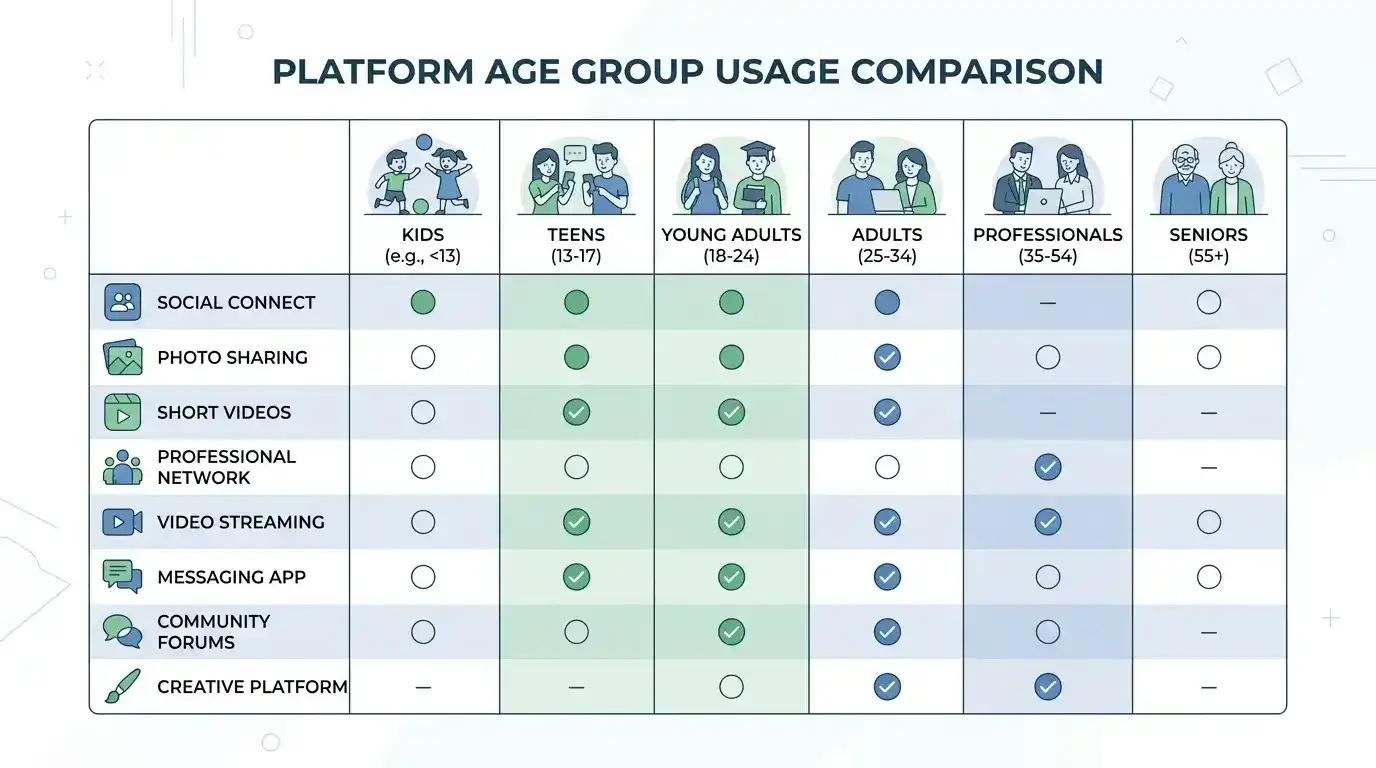
Platform preferences track closely with age distribution. The platforms with stronger mobile experiences — Pulsz, Stake.US, newer entrants with mobile-first design — tend to attract proportionally more of the 21-34 demographic. The VGW platforms (Chumba, LuckyLand) hold a larger share of the 35+ segment, which may reflect brand familiarity effects: players who encountered Chumba when it was the dominant platform stayed with it as they aged into the 35+ bracket.
Gender breakdown data for sweepstakes casinos is in flux. The traditional social casino audience was documented as majority female, and early sweepstakes casino audiences inherited that composition. The shift toward younger players and more casino-game-style content (slots with higher variance, sports-adjacent games at platforms like Stake.US) has drawn more male players. Current estimates suggest the market is closer to gender-balanced than it was five years ago, though female users still represent a slight majority at most established platforms.
Why Players Choose Sweepstakes Casinos: Motivations and Misperceptions
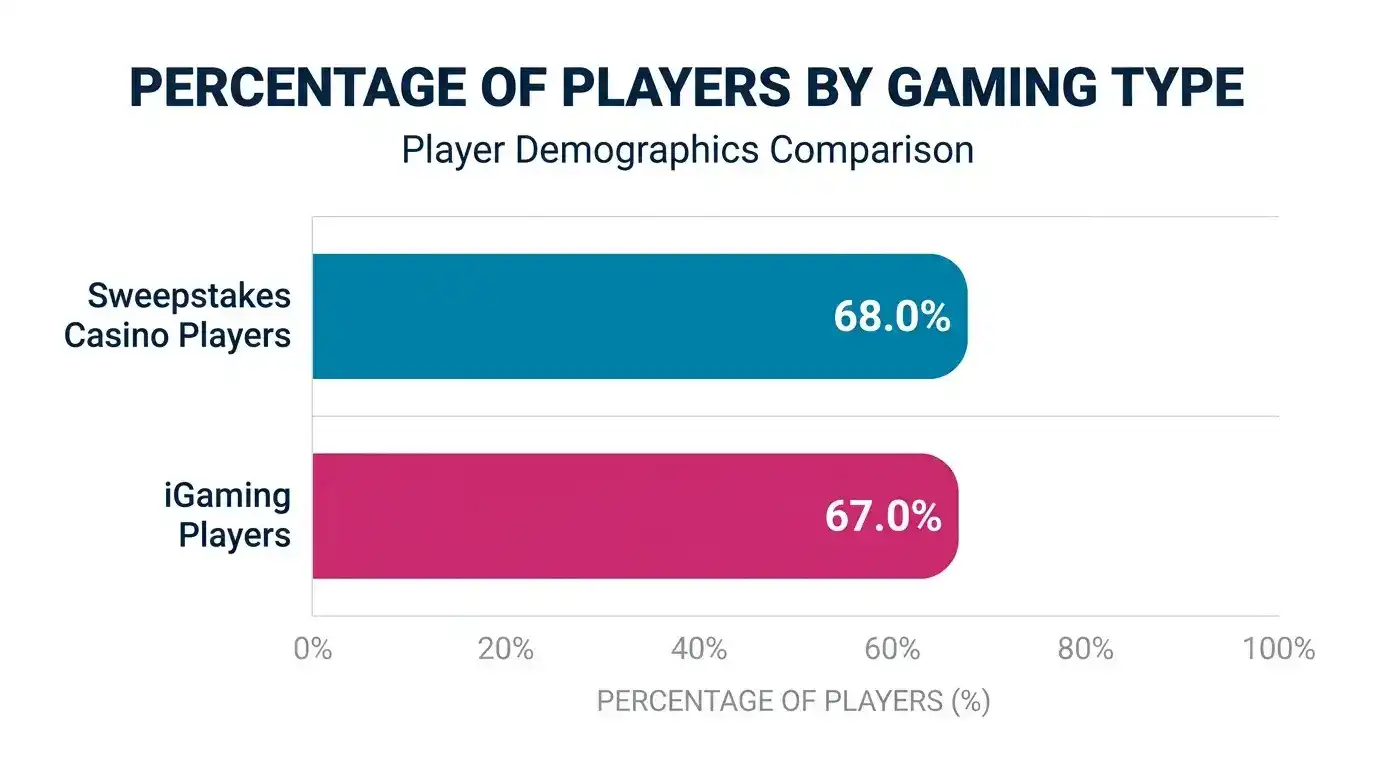
The AGA’s June 2025 survey of 2,250 sweepstakes casino players produced data on player motivations that challenges the industry’s “casual entertainment” positioning. 68% of players cited winning real money as their primary reason for playing. That figure is nearly identical to the 67% of licensed iGaming players who gave the same answer — suggesting that the motivation driving sweepstakes casino engagement is functionally indistinguishable from real-money casino motivation.
More striking still: 69% of sweepstakes casino users described these platforms as places for “real-money betting.” And 90% believed they were engaged in gambling. These aren’t confused or misinformed responses — they reflect an accurate description of what the behavioral experience feels like from the inside. Players are engaging with casino-format games, winning and losing virtual currency that has real redemption value, and experiencing the psychological feedback loops that real-money casino games are designed to generate.
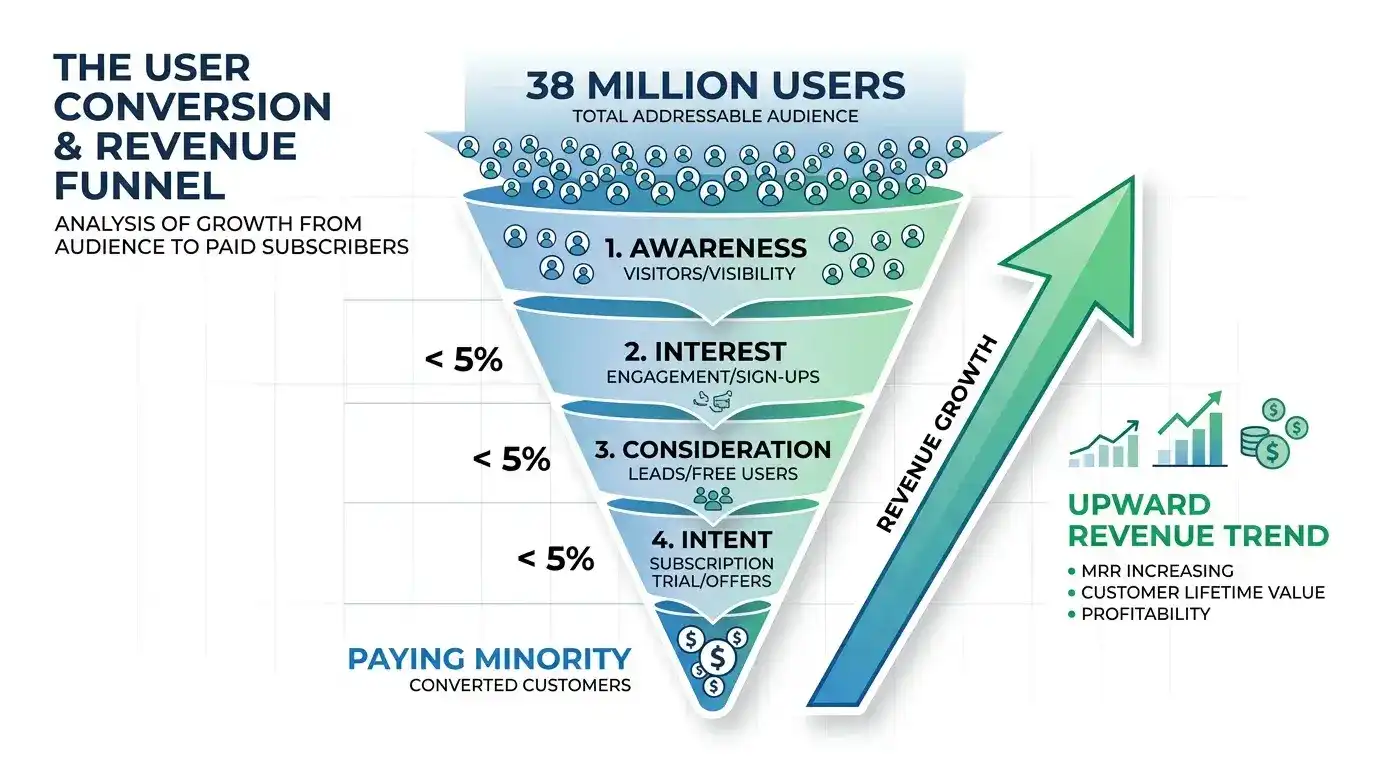
The misperception that runs in the other direction is the assumption that sweepstakes casino players are primarily the 1-5% who make Gold Coin purchases. That purchasing minority drives a disproportionate share of platform revenue, but the 95-99% of non-purchasing users are the audience that gives the platforms their scale. The 38 million active users figure is not a paying customer count — it’s an active user count that includes the overwhelming majority who accumulate SC through free channels and redeem for prizes without ever spending money.
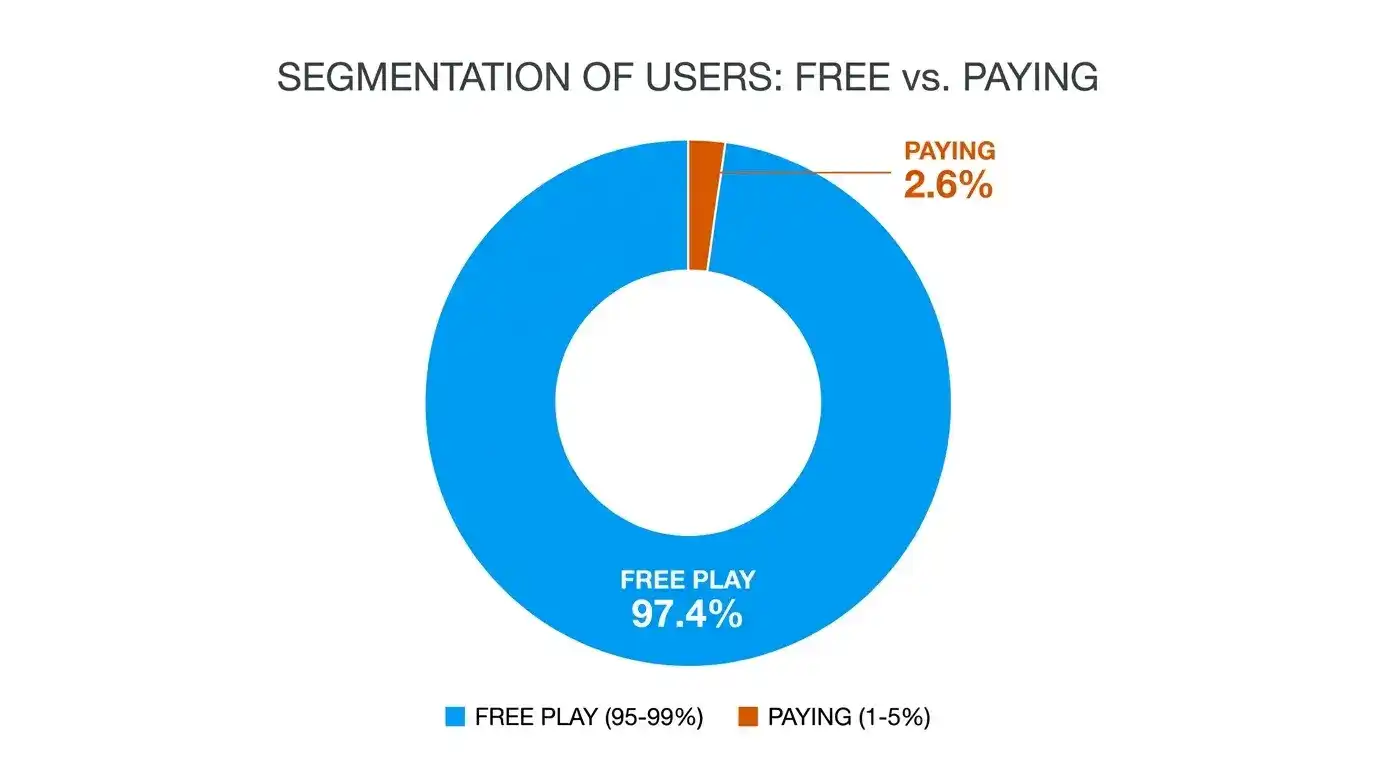
Understanding the distinction between paying players (who contribute most of the revenue) and free players (who represent most of the user base) is essential for understanding how the business model actually works. The paying minority’s typical transaction size runs $20-50, consistent with the ARPU data from Gaming Innovation Group’s investor analysis. That modest per-transaction average, spread across a market of 38 million users, generates the $14.31 billion in annual purchase volume that makes sweepstakes casinos the size they are.
The gap between what players experience (gambling, by their own description) and how platforms are legally classified has become a defining tension in the policy debate around this market. The demographic data adds a specific dimension to that debate: the fastest-growing player segment (21-34 year olds, up from 54% to 71% of the user base between 2023 and 2025) is also the segment that regulators tend to focus on in discussions of consumer protection in digital products. State legislators reviewing sweepstakes casino regulation are looking at a market where the majority of users are young adults who, by their own account, believe they’re gambling without the protections that licensed gambling is required to provide. For a comparison of how sweepstakes casino behavior maps to traditional gambling, the sweepstakes casino vs. online casino breakdown examines the structural differences.
The full picture is in our complete guide to US sweepstakes casinos.
What players think they are doing: is it gambling?
Articles
Google Ad Ban Guide
October 28, 2025 is a date that landed hard in the sweepstakes casino industry. That’s the day Google’s updated Gambling & Games advertising policy took effect, and it changed the…
Beginner's Playbook
The thing that confuses most first-time sweepstakes casino players is that the…
McLuck Casino Review
McLuck doesn’t dominate any single conversation about the US sweepstakes casino market…
Pulsz Casino Review
When I first started tracking Pulsz seriously, it was still being dismissed…
Written by the editors at SweepEdge.