
Is a Sweepstakes Casino Gambling? What the Law Says vs. What Players Experience
 Available in US
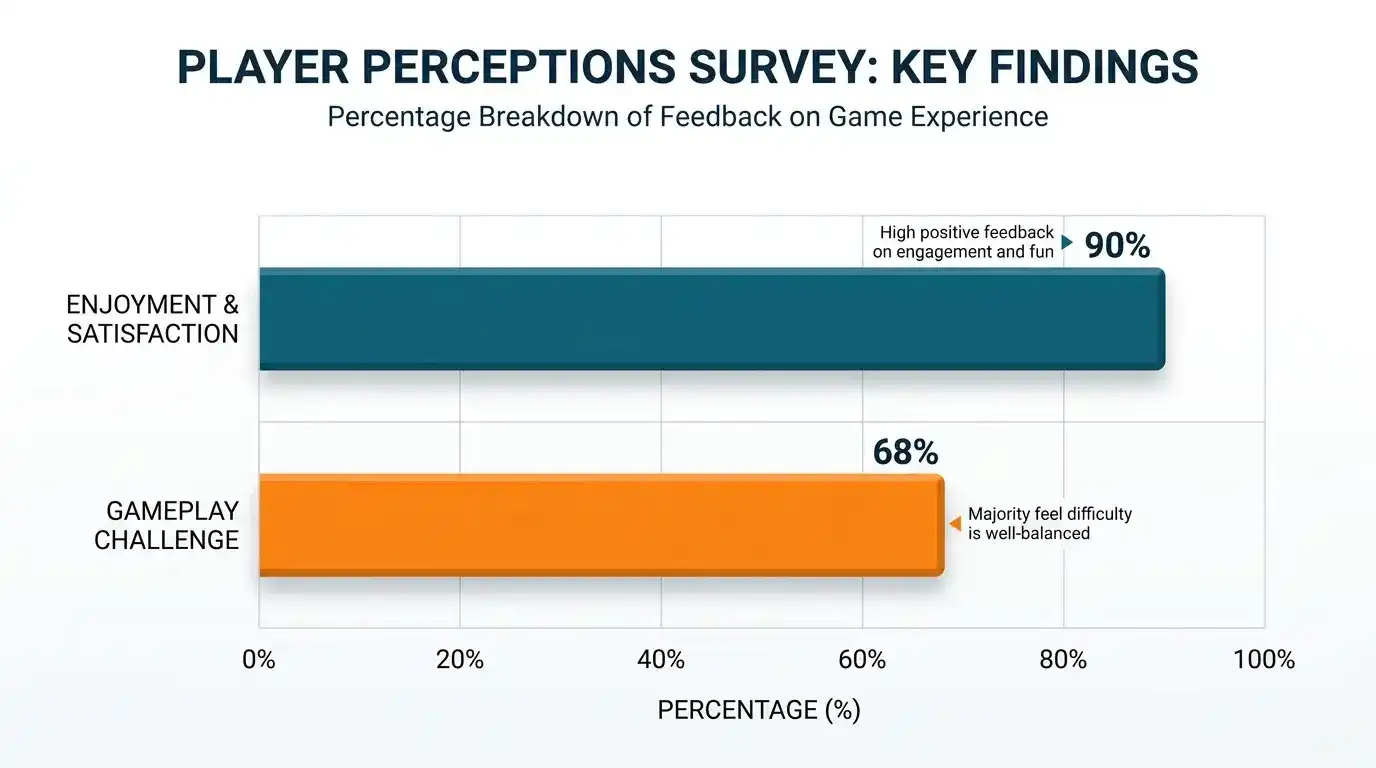
Ninety percent of sweepstakes casino users believe they are engaged in gambling. That number comes from an AGA survey of 2,250 players, conducted in June 2025. The platforms those players are using have been carefully structured, under legal advice, to be classified as promotional sweepstakes — not gambling. Both things are simultaneously true. This is the central tension in any serious analysis of the sweepstakes casino model: the legal architecture says one thing, and virtually everyone who uses these platforms behaves as if something else is true.
The Legal Definition: Why Sweepstakes Casinos Are Not Classified as Gambling
Under US law, gambling requires three elements to be present simultaneously: consideration (money paid to participate), chance (the outcome is determined by random probability), and a prize (something of value awarded to winners). Remove any one of these elements, and the activity no longer meets the legal definition of gambling.
Sweepstakes casinos are structured to eliminate the “consideration” element. The mechanism is the “No Purchase Necessary” rule, embedded in promotional sweepstakes law that has governed marketing contests since long before the internet existed. Under this framework, any player can receive Sweeps Coins through free channels — mail-in requests, daily login bonuses, registration credits — without making any purchase. Because participation is available at no cost, the consideration element is legally absent.

This structure traces back to promotional sweepstakes that fast-food restaurants and consumer goods companies have run for decades — “no purchase necessary to enter” on a McDonald’s cup is the same legal principle that underlies a sweepstakes casino’s free coin offering. Applying it to a digital casino-format platform is an extension of the same legal logic, not a novel invention.
The argument holds up under federal law. The Unlawful Internet Gambling Enforcement Act of 2006 (UIGEA) prohibits financial institutions from processing gambling transactions, but because sweepstakes casinos are structured to eliminate the consideration element, they don’t fall under UIGEA’s definition of gambling. This is why platforms can process Gold Coin purchases through standard payment networks. The purchase is characterized as buying promotional Gold Coins — not gambling.
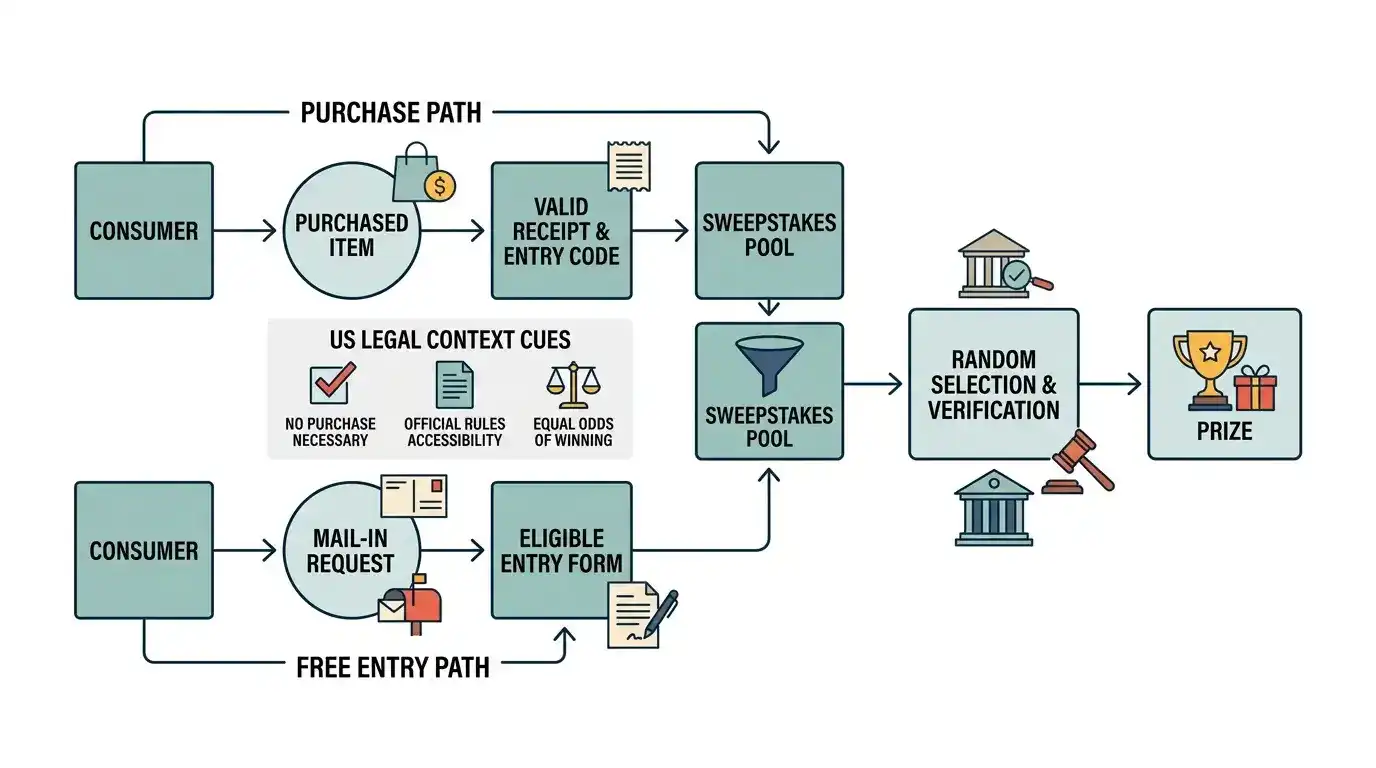
State law is where the picture gets more complicated. States have different legal standards for what constitutes gambling, and some states have concluded that the dual-currency model does meet their statutory definition regardless of the “no purchase necessary” mechanism. 69% of sweepstakes casino users describe these platforms as places for “real-money betting” — and several state legislatures have taken the position that the legal structure does not match the practical reality of what’s happening. That’s why 13 states have banned sweepstakes casinos as of 2026, and six more passed legislation to ban them during 2025 alone.
The Reality Gap: How Players Perceive and Use Sweepstakes Casinos
The player perception data is stark. In the AGA’s June 2025 survey of 2,250 sweepstakes casino users, 68% named “winning real money” as their primary reason for playing — a figure nearly identical to the 67% of licensed iGaming players who cited the same motivation. This isn’t ambiguity. The people using sweepstakes casinos are, in their own accounting, pursuing the same goal as real-money gamblers.
The AGA’s vice president for government affairs, Tres York, captured the functional reality in July 2025: “Consumers see through the sweepstakes casino facade and call it what it is — gambling.” That characterization is the industry association’s assessment, supported by their own player survey data. It reflects the informed view of an organization that has spent decades working with regulated gambling operators and is in a position to compare both models.
The practical consequence of the reality gap is that players who treat sweepstakes casinos as if they were licensed gambling operations are doing so without the player protections that licensed operations are required to provide. There’s no state self-exclusion registry. There’s no mandatory responsible gaming infrastructure. There’s no regulator to contact if a payout is withheld without justification. Players who understand themselves to be gambling — 90% of them, by the AGA survey — are doing so on platforms that have no legal obligation to treat them as gamblers.
Bill Miller of the American Gaming Association framed the institutional concern directly in early 2025, describing sweepstakes casino operations as exploiting consumer confusion and threatening to undermine the public trust that licensed operators had built over decades. That framing is self-interested, obviously — the AGA represents licensed casino operators who see sweepstakes casinos as unregulated competitors. But the underlying concern about player protection is grounded in the survey data. A market where 90% of users believe they’re gambling and 69% call it real-money betting is a market where the behavioral reality and the legal structure have separated completely.
For players, the practical takeaway is not that sweepstakes casinos are uniformly unsafe — legitimate platforms do pay out prizes, and the established operators have documented track records of doing so. The point is that the legal framework that creates accountability for licensed casinos does not exist here. Your recourse if something goes wrong is the platform’s terms of service and general consumer protection law, not gaming regulation. Understanding that framework before you play is the most useful thing I can convey about this legal landscape. For a deeper look at how this maps to actual legal status state by state, the legal states guide documents the current enforcement landscape.

The full picture is in our complete guide to US sweepstakes casinos.
The legal classification varies by state: the legal states map.
Published by the SweepEdge team.