Is This Sweepstakes Casino Legit? Five Signals to Check First
 Available in US
Nine years of tracking this market and I’ve seen every variety of sweepstakes casino fraud — platforms that accept GC purchases and never process a redemption, sites that credential-harvest through fake registration flows, and operators that create convincing replicas of legitimate platforms to capture payment data. The fraud profile has evolved as the market has grown. In 2022, the primary risk was encountering a thin, obvious fake. In 2026, with over 140 active platforms and 25+ new launches in 2025 alone, the risk is more about distinguishing legitimately operated but poorly run platforms from ones designed to extract money without delivering value. More than 70% of Americans check reviews before installing a new app, and that instinct is correct — but reviews alone aren’t sufficient. Here are the five signals that I use, and that I’d recommend to anyone evaluating an unfamiliar sweepstakes casino.
The Five Legitimacy Signals: A Practical Verification Checklist
Signal one: a verifiable operating entity. Every legitimate sweepstakes casino operates under a registered corporate entity that can be identified through public records. The platform’s Terms and Conditions should name the operating company. That company name should be findable through basic corporate registry searches — the SEC’s EDGAR database, state corporate registry searches (Delaware, Nevada, Wyoming all have public tools), or basic business search at the state level. If the operating entity named in the terms doesn’t appear in any public corporate registry, that’s a disqualifying red flag. The entity doesn’t need to be famous — it just needs to exist in a verifiable form. VGW Holdings appears in corporate records with audited financial disclosures. The operators behind Pulsz and WOW Vegas are identifiable through their terms and public filings. Operators who don’t appear anywhere are operators who structured themselves for non-accountability.

Signal two: complete, legally correct sweepstakes terms. A legitimate sweepstakes casino’s Terms and Conditions must contain specific legal language around the sweepstakes structure: the “no purchase necessary” statement, the AMOE mailing address, the mechanics for earning and redeeming SC without a purchase, and the eligibility requirements. This language exists because it’s the legal foundation of the platform’s operation. Platforms that lack it, have vague or internally contradictory versions of it, or don’t publish accessible full terms at all are operating without the legal structure that makes sweepstakes casinos distinguishable from unlicensed gambling. The AMOE address is the most specific verifiable element — if it’s missing from the terms, the legal compliance framework is incomplete.

Signal three: documented payout history. The most consequential question about any sweepstakes casino is whether it actually pays out when you redeem SC. The answer to this question for established platforms is knowable: player forums, Reddit communities, and review platforms contain years of documented redemption experiences at Chumba, Pulsz, McLuck, WOW Vegas, and other established operators. Platforms with multi-year histories and consistent positive redemption feedback from real users are demonstrably different from platforms that appeared in 2025 or 2026 with no payout track record. I don’t mean that new platforms are necessarily fraudulent — but they don’t have the same evidentiary basis for trust that established ones do. A brand-new platform with a large launch bonus is a reasonable starting point for accumulation; it’s not a reasonable destination for a large SC redemption if you have alternatives with verified payout histories.

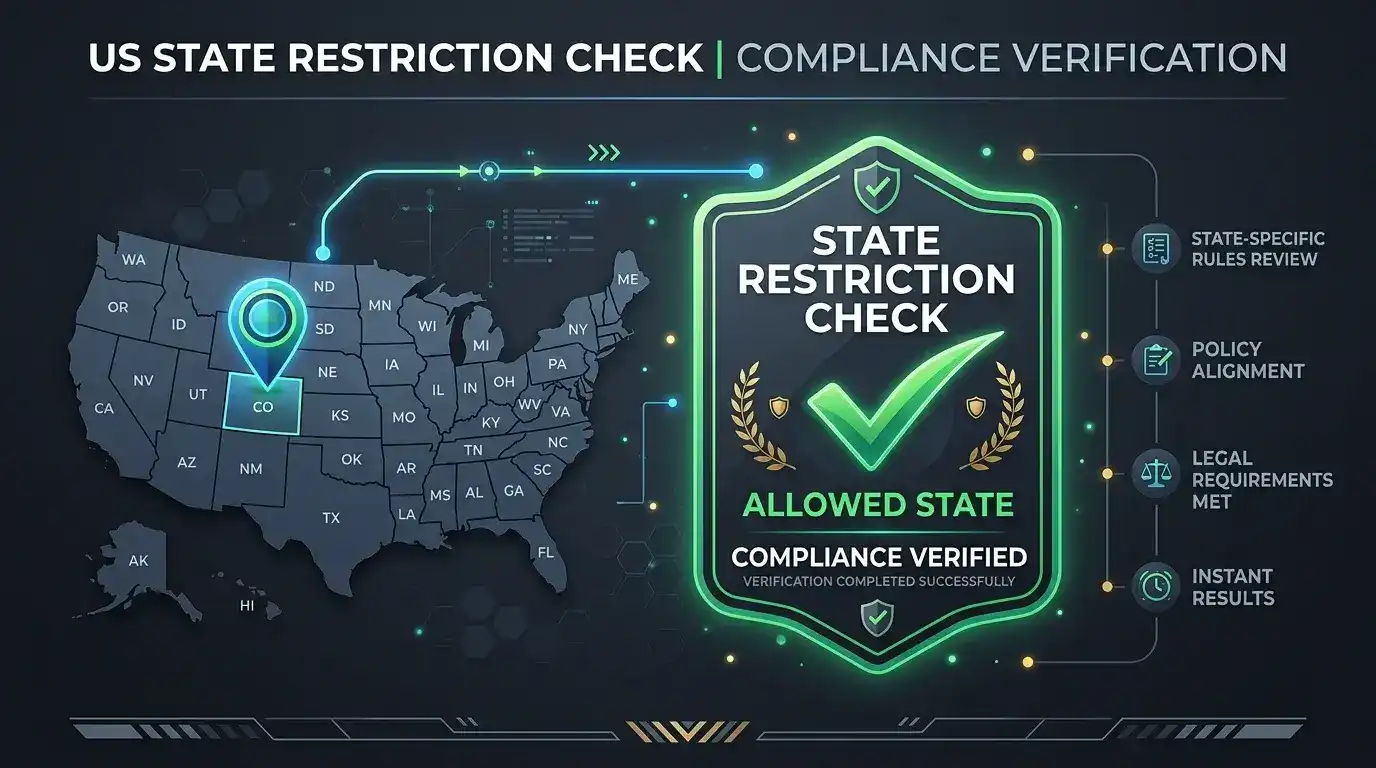
Signal four: correct state restrictions. A legitimate sweepstakes casino will block access from states where the format is banned. If a platform allows registration and SC accumulation from a state where sweepstakes casinos are prohibited — Michigan, Washington, Montana, Idaho, Nevada, Kentucky, and others as of 2026 — either the platform’s geolocation is broken (an operational failure) or the platform is deliberately ignoring compliance requirements (a legal integrity failure). Either way, it’s a red flag. Test this if you want: check whether the platform lists state restrictions anywhere in its terms, and whether the list corresponds to the actual current ban status of your state.
Signal five: functional and accessible customer support. Not just an email address and a form — a support system that actually responds with substantive answers within a reasonable timeframe. Before committing to any platform, send a pre-registration question to the support channel: ask about the AMOE process, or ask what payment methods are available for redemption. A platform that responds within 24-48 hours with a specific, accurate answer to your question has a functioning support operation. A platform that auto-responds with a generic acknowledgment and then goes silent, or that responds with answers that contradict the terms on the site, has invested minimally in the infrastructure that matters at the moment you need help with a delayed redemption.
Red Flags: What Illegitimate Sweepstakes Platforms Do Differently
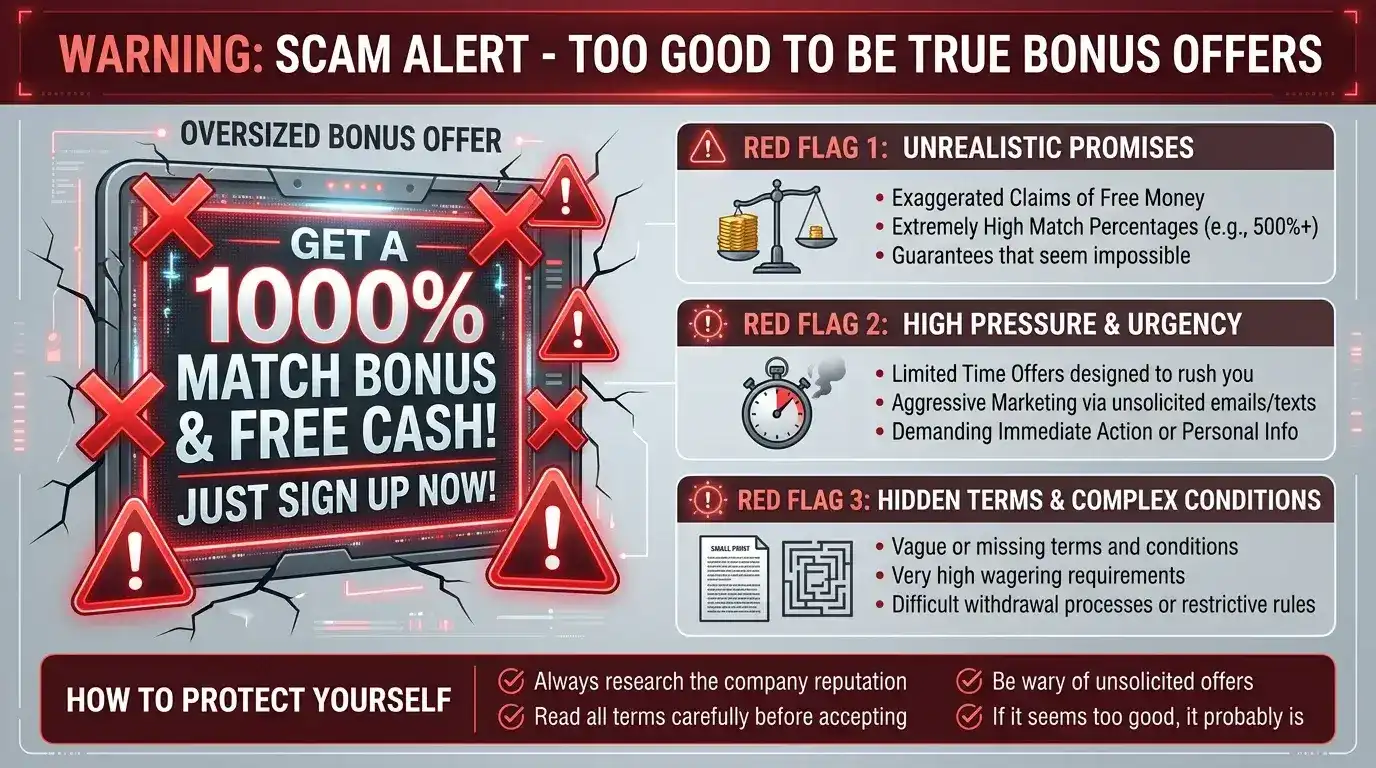
The patterns that signal a fraudulent or severely deficient platform are consistent across the cases I’ve tracked. Unusually large SC bonuses with minimal documentation — “500 SC free, no questions asked” without any explanation of how that SC is earned, what it’s redeemable for, or where the platform’s terms are published — is the most common pattern for platforms that are either fraudulent or structurally inadequate. Legitimate bonus offers are specific about what you’re receiving and under what terms.
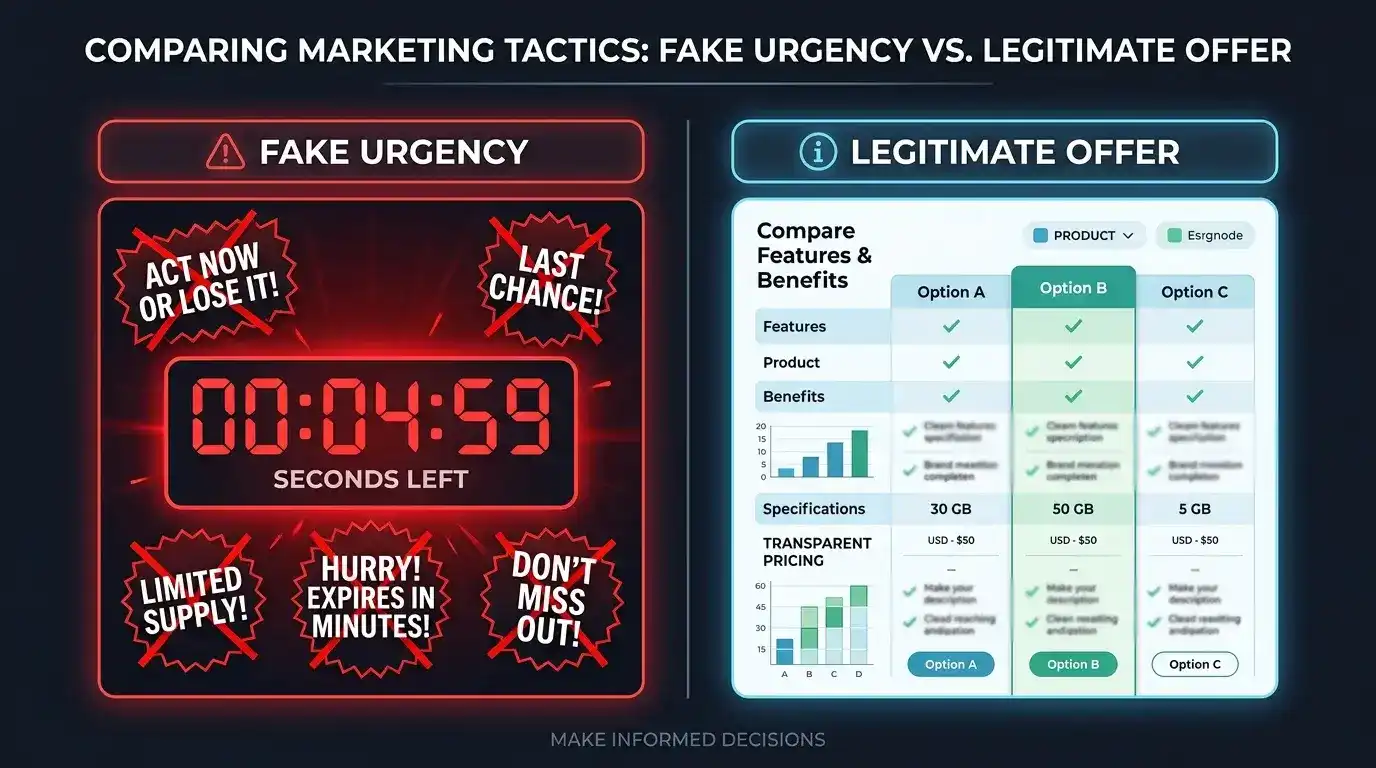
Urgency and scarcity tactics — “claim your 100 SC bonus before midnight tonight” — are borrowed directly from the worst practices of real-money casino advertising and don’t belong in legitimate sweepstakes casino marketing. They’re designed to bypass the evaluation process described in Signal 1-5 above. Legitimate established platforms don’t need urgency tactics because their competitive advantage is operational quality, not pressure to register before your skepticism kicks in.
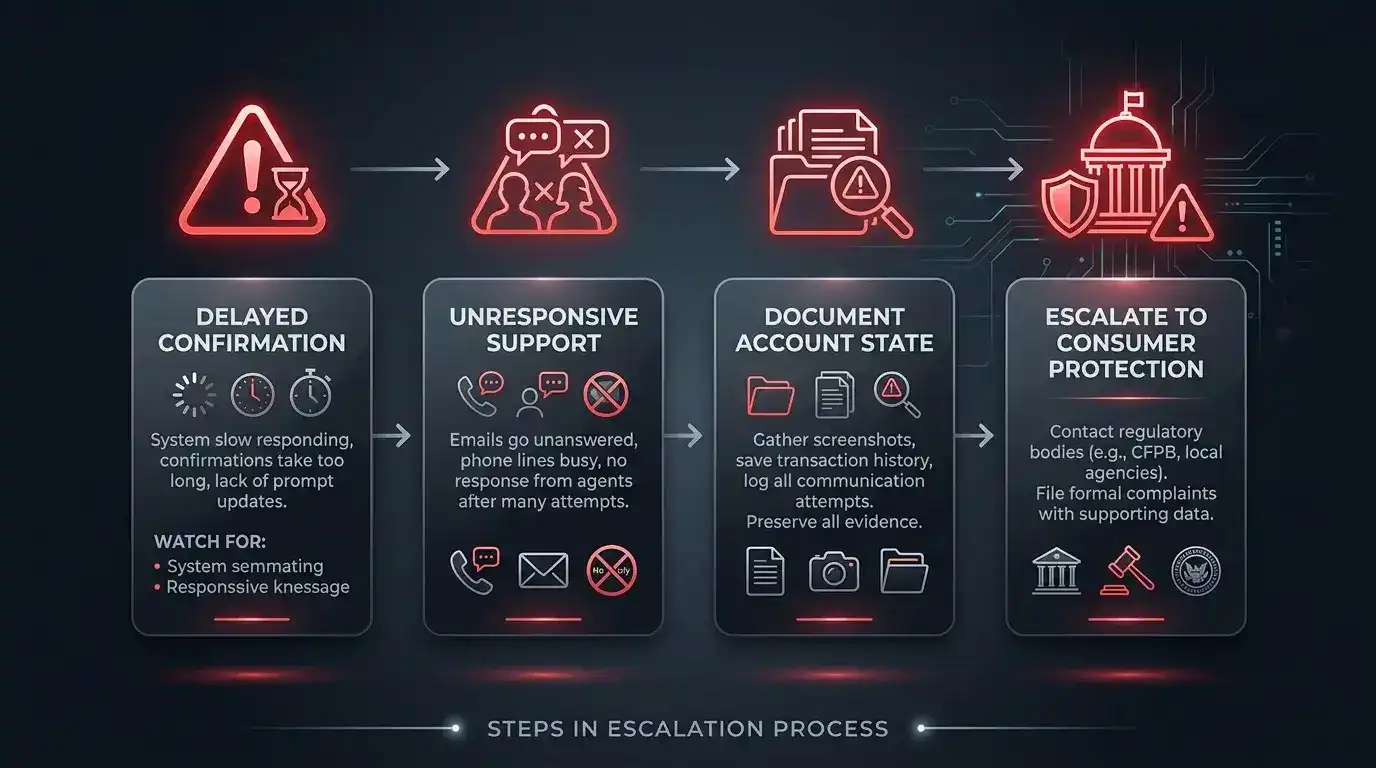
Payment problems are the final red flag and the one that’s hardest to identify before they occur, which is why pre-verification through Signals 1-5 matters so much. But if a platform you’re already using starts showing patterns — redemption requests that don’t confirm, customer support that becomes unresponsive when you ask about a pending payout, terms that change after you’ve accumulated a balance — those are exit signals. Document your account state (screenshot your SC balance and any pending redemptions) before contacting support, and escalate through any consumer protection channels available in your state if the platform stops responding. For a comparison of which established platforms have the strongest track records for avoiding these issues, the beginners’ guide covers platform selection for first-time players.
The full picture is in our complete guide to US sweepstakes casinos.
Shared ownership matters too: the sister sites.
Created by the "SweepEdge" editorial team.