Are Sweepstakes Casinos Legal in California? The $2.42 Billion Question
 Available in US
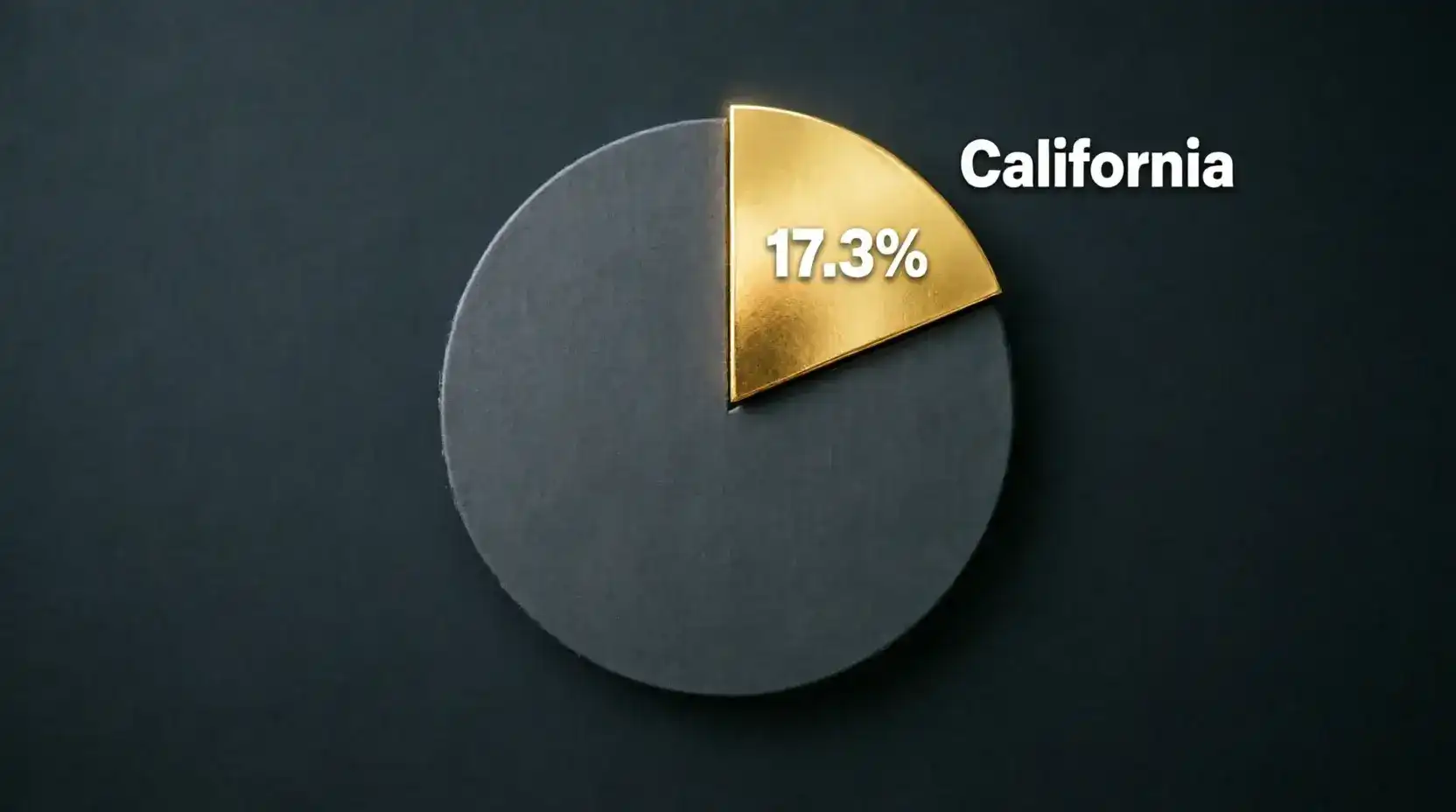
California is the single largest sweepstakes casino market in the United States. Eilers & Krejcik Gaming estimated California’s sweepstakes gaming purchases at $2.42 billion in 2025 — approximately 17.3% of the entire US market. That number makes California’s legal status simultaneously the most important question in the sweepstakes casino industry and the most consequential state-level policy decision since New York’s S5935A ban. As of mid-2026, sweepstakes casinos are still operating legally in California. But the legislative and political landscape around that status is more complicated than in any other open market.
Legal Status in California and Pending Legislation
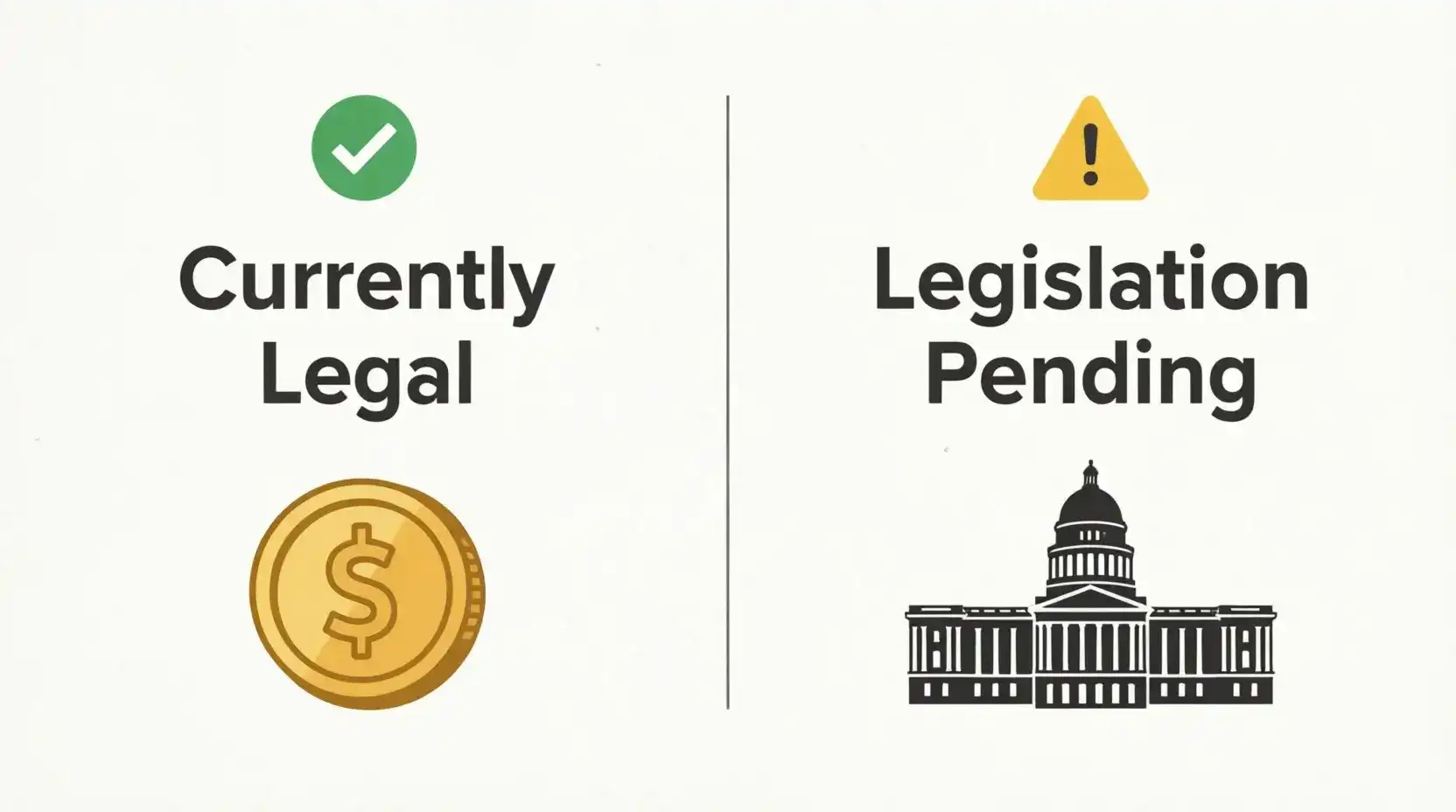
California has not passed legislation banning sweepstakes casinos, which means platforms currently operate legally in the state. But the absence of a ban is not the same as active legislative endorsement, and the forces moving toward a California ban are significant and better-resourced than in any state that has already passed restrictions.
The tribal gaming compact in California is the key political dynamic. California’s Native American tribes hold exclusive rights to casino-style gaming under their compacts with the state, and they see sweepstakes casinos as unlicensed competition operating outside the framework those compacts created. The tribes have substantial political influence in Sacramento — they are among the largest campaign contributors in California state politics — and their opposition to the sweepstakes casino model is organized, financially backed, and legally sophisticated.
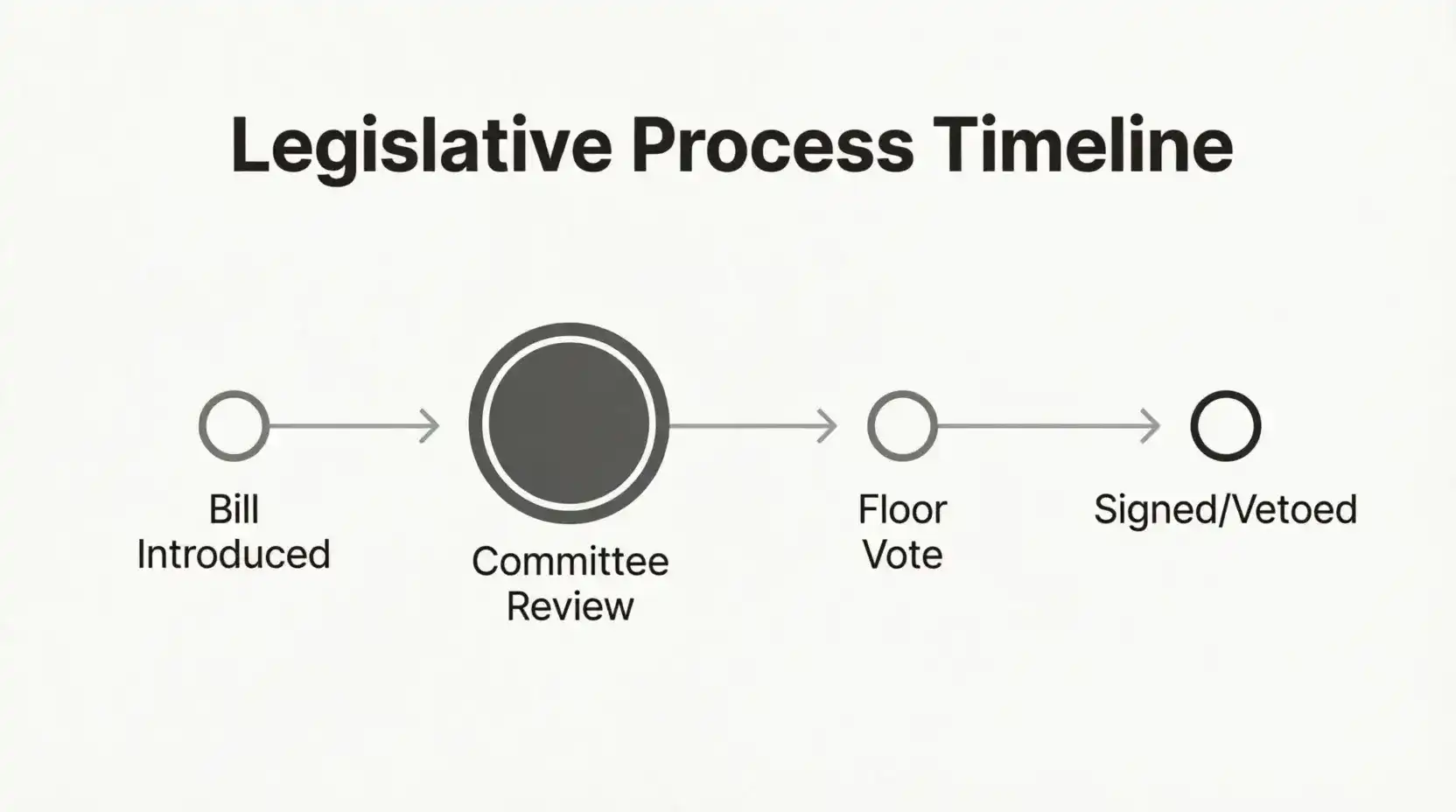
Multiple California legislative proposals targeting sweepstakes casinos have been introduced in the 2024-2026 legislative sessions. None has yet passed into law, which reflects the complexity of the legislative process rather than lack of political will. California’s legislature must balance tribal opposition to sweepstakes casinos against consumer access interests, the tech industry’s interest in preserving the online gaming category, and the general difficulty of passing gaming legislation through California’s initiative-prone political environment.

In 2025, six states passed laws banning sweepstakes casinos — and six more attempted bans that failed to pass. California is among the states where the dynamics are live and unresolved. The specific trajectory of California legislation in the second half of 2026 is difficult to predict precisely because the tribal compact considerations create procedural complexity that typical consumer protection legislation doesn’t face.
For California players in 2026, the operative status is: sweepstakes casinos are legal, platforms are accessible, and the situation is subject to change on a timeline that legislative processes determine. Players who are actively building SC balances at California-accessible platforms should be aware that a California ban, if it passes, would likely follow the pattern established by New York — platform exit, a transition period for pending redemptions, and geolocation blocking thereafter.
California’s $2.42 Billion Market Share: Who Profits and Who Loses If a Ban Passes
Adam Krejcik of Eilers & Krejcik Gaming put California’s contribution to the US sweepstakes market at $2.42 billion in 2025, representing 17.3% of total US purchase volume. To translate that into operator terms: California generates more sweepstakes gaming revenue than the entire licensed iGaming market in any US state with legalized online casino games. A California ban would be, financially, the largest single regulatory action against the sweepstakes casino industry since the format emerged.
The operators with the most to lose from a California ban are the large-volume platforms: VGW (Chumba, LuckyLand), Pulsz, WOW Vegas, and the handful of platforms that generate enough California-specific volume to be materially affected. VGW’s own annual report disclosures flag US regulatory risk explicitly, and California represents a disproportionate share of the “US” exposure they’re describing.
The licensed tribal casinos in California would be the immediate regulatory beneficiaries of a sweepstakes casino ban. The tribes operate land-based and online social casino products and would capture some portion of the player activity that currently flows to sweepstakes platforms. Whether that capture would be substantial or marginal depends on how many sweepstakes casino players are primarily motivated by prize redemption (and would reduce play without it) versus entertainment (and would migrate to alternative formats).
For California players concerned about the legal trajectory, the practical guidance is consistent with what I’d offer in any uncertain regulatory environment: don’t accumulate SC balances substantially larger than you’re prepared to redeem in the near term. Active redemption keeps your at-risk balance minimal regardless of what happens with state legislation.
The $2.42 billion California market figure has become a focal point in the sweepstakes casino industry’s regulatory strategy discussions. Adam Krejcik of EKG put that number precisely at 17.3% of total US purchase volume — meaning California alone drives nearly one-fifth of the entire US sweepstakes market. Operators building their US market share projections around continued California access are carrying a significant regulatory contingency risk. Operators that have already diversified their revenue across multiple major states are better positioned to absorb a California ban if one comes without catastrophic revenue impact.
The political timing of any California action is uncertain. Tribal gaming interests in California have demonstrated the ability to influence both the legislature and the initiative process, but they also operate within a complex political environment where tech industry interests, consumer access advocates, and the general difficulty of California gaming legislation all create friction. The most likely near-term outcome is continued legislative activity without final passage of a ban in 2026, followed by escalating probability of action in 2027 if the federal legal status of sweepstakes casinos doesn’t change in the interim. California players should stay informed rather than assuming continuity. For the full state-by-state current legal map, the sweepstakes casino legal states guide provides the most current status.

The full picture is in our complete guide to US sweepstakes casinos.
The full state picture is in the legal states map.
Articles
Chumba Casino Review
Chumba Casino has been in the market long enough that it’s become a default reference point — the platform people name when they hear “sweepstakes casino” for the first time.…
Live Dealer Casinos
New York’s approach to sweepstakes casinos is the most aggressive state-level enforcement…
Sweepstakes Casino Legality
Ninety percent of sweepstakes casino users believe they are engaged in gambling.…
Spotting Legit Casinos
Nine years of tracking this market and I’ve seen every variety of…
Prepared by the SweepEdge editorial staff.