
Sweepstakes Casino AMOE: The Complete Mail-In Free Entry Guide for 2026
 Available in US
The AMOE option is the piece of sweepstakes casino mechanics that most players know exists but almost no one has actually used. AMOE — Alternative Method of Entry — is not a workaround or a fringe feature. It is the legal cornerstone of the entire sweepstakes casino model. Every platform that operates legally in the United States is required to make Sweeps Coins available through a free, non-digital request mechanism. The mail-in request is that mechanism. Only 1-5% of sweepstakes casino users ever make a real-money purchase, meaning the “no purchase necessary” principle is the foundation that allows the other 95-99% to play at all. AMOE is the formal legal embodiment of that principle, and knowing how to use it is practical knowledge for any serious non-purchasing player.
I’ve processed dozens of AMOE submissions across platforms over the years, tracking which procedures work reliably, which platforms have slow turnaround, and what format errors cause submissions to be rejected without a credit. This guide covers the actual mechanics — not a theoretical description of what AMOE is, but a working procedure for submitting requests that result in SC arriving in your account.
Step-by-Step: How to Submit a Mail-In AMOE Request at Any Sweepstakes Casino
The procedure is consistent across virtually all sweepstakes casino platforms. The reason is legal: the AMOE mechanism must follow a format that satisfies promotional sweepstakes law, and most platforms have converged on the same legal template. Deviations from the standard format are the most common source of rejected submissions.
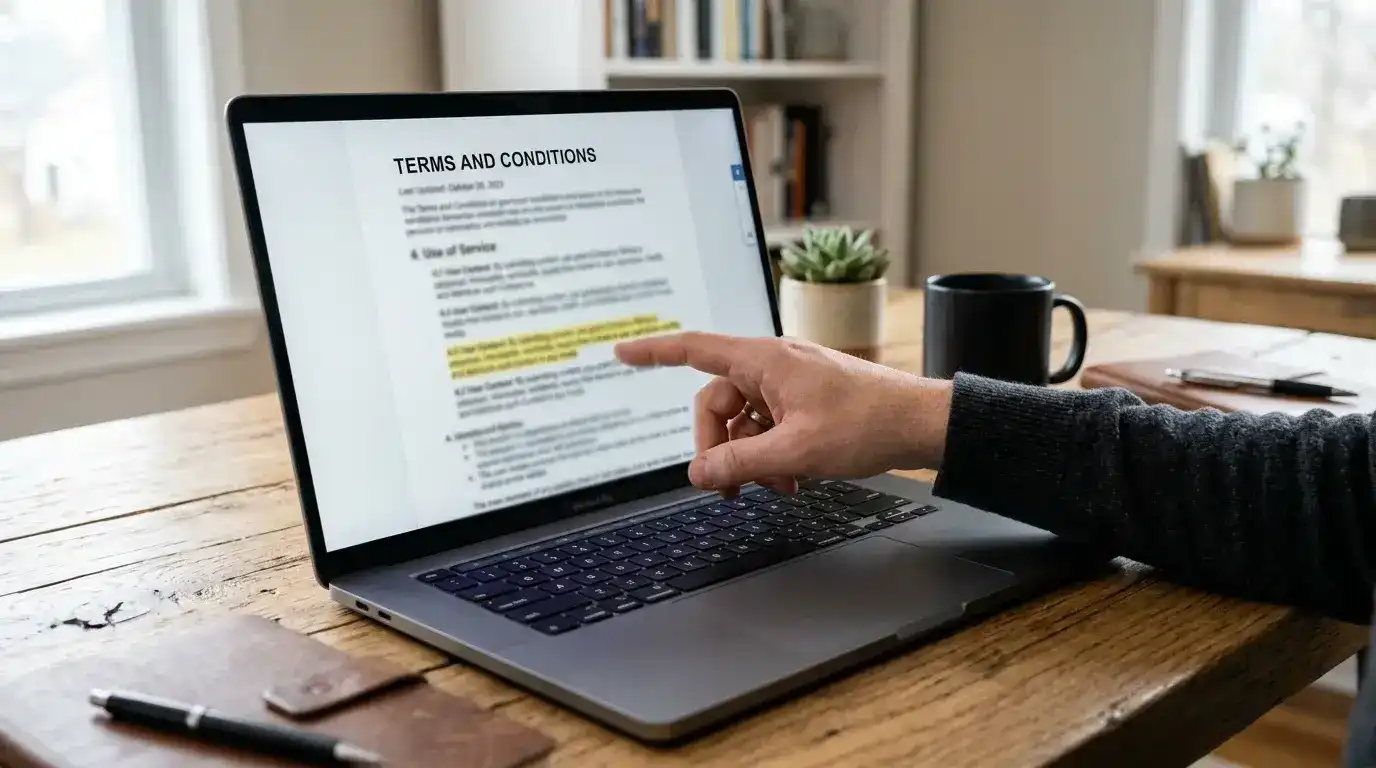
Step one is finding the AMOE address. Every legitimate sweepstakes casino is required to publish its AMOE mailing address in its terms and conditions. Navigate to the platform’s Terms and Conditions page and search for “AMOE,” “Alternative Method of Entry,” or “Mail-In.” The address is typically listed alongside the eligibility requirements and the sweepstakes rules. If you cannot find an AMOE address after a careful search of the terms, that is a red flag about the platform’s legal compliance — legitimate platforms always have this information visible.
Step two is writing the request. On a plain index card or a piece of unlined paper, handwrite the following information: your full legal name, your current mailing address, your email address (the one associated with your platform account), your date of birth, your phone number, and a request for the current free entry allocation. The handwritten requirement is standard — typed or printed requests are rejected at most platforms. Use a black or blue pen. Write legibly. The platform’s CS team needs to transcribe this information accurately, and illegible entries create delays or rejections.

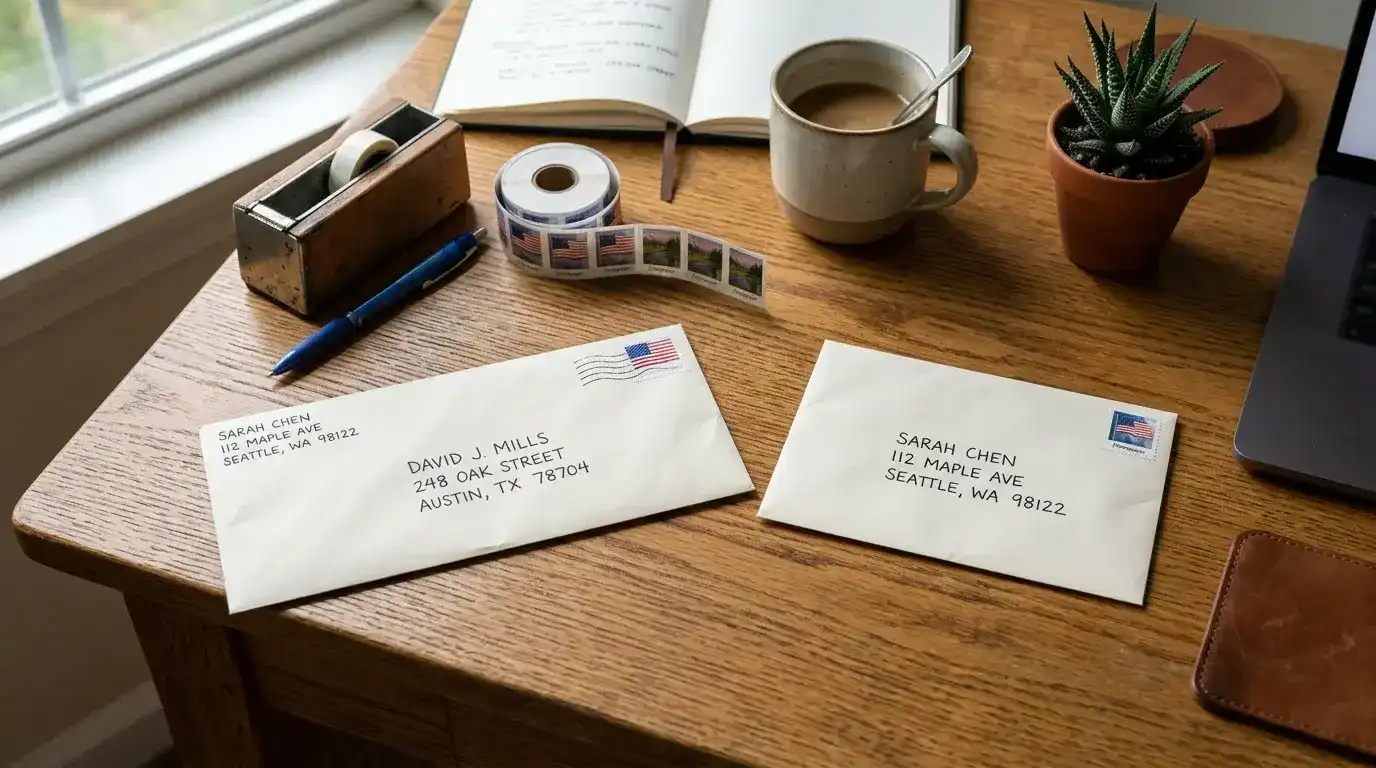
Step three is the envelope. Address the outer envelope to the AMOE address published in the platform’s terms. In the return address position, use your own mailing address. Use a standard first-class postage stamp. Some platforms require a self-addressed stamped envelope (SASE) — meaning you include a second envelope inside the first, pre-addressed to yourself with a stamp on it. Check the specific platform terms to confirm whether SASE is required. Platforms that use SASE typically send a written confirmation of the SC credit through the return envelope, in addition to crediting your account digitally.
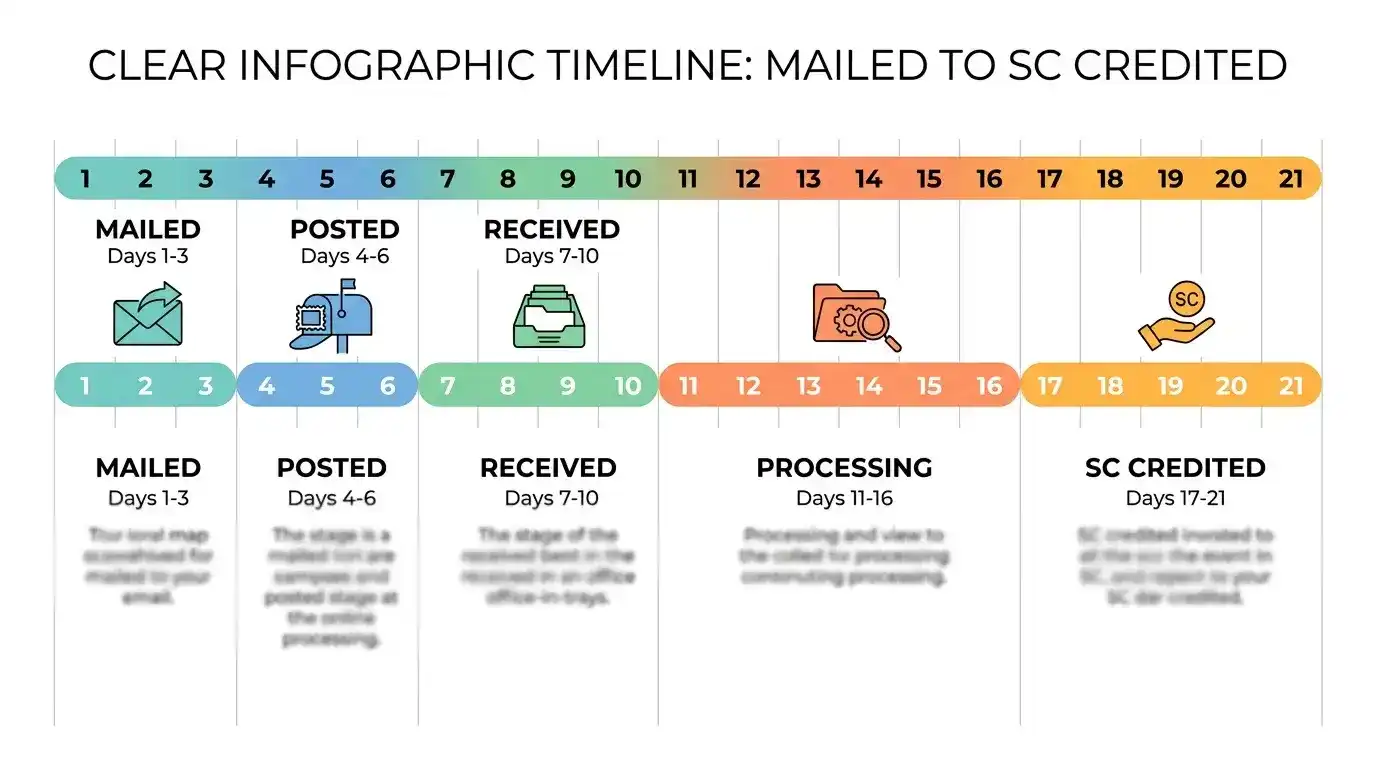
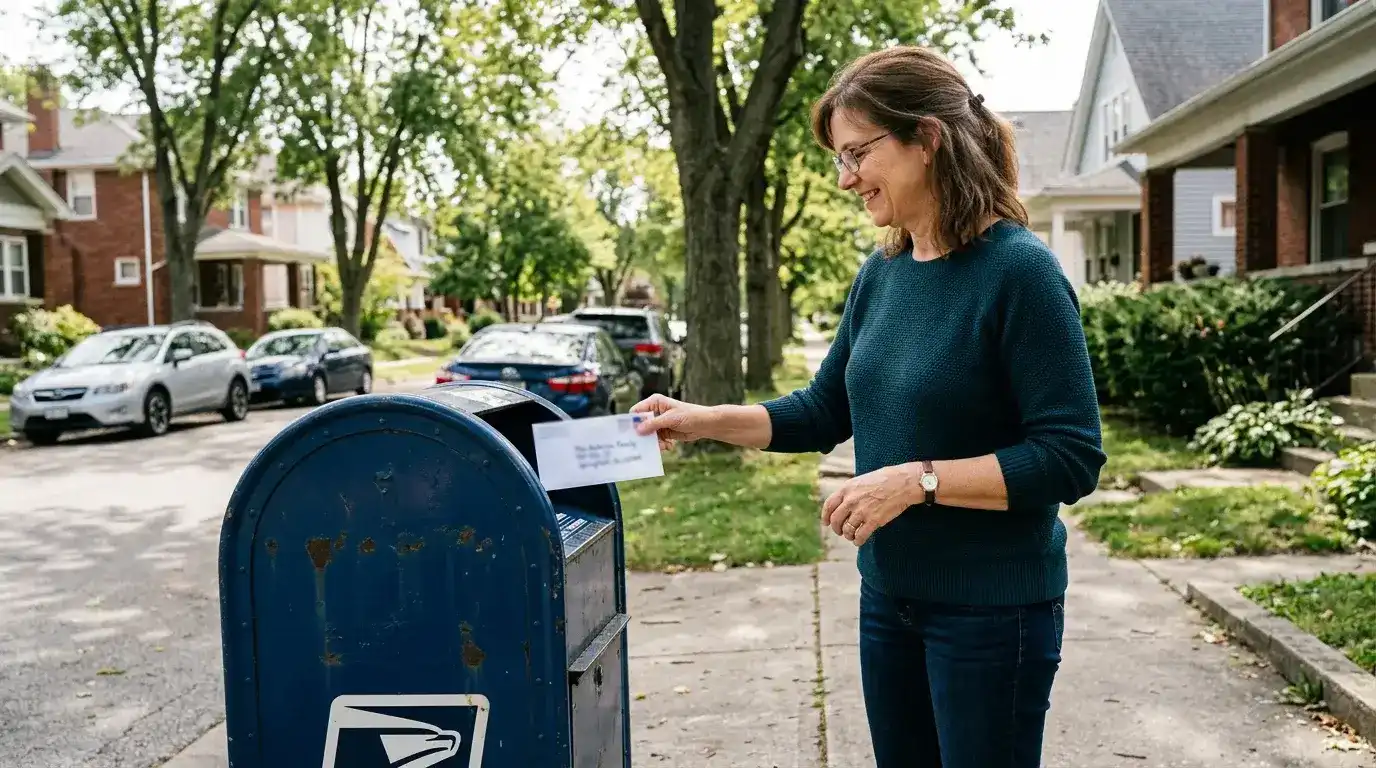
Step four is sending and waiting. Drop the envelope in a USPS mailbox. Standard mail processing typically reaches most platforms within 5-10 business days depending on distance. Platform-side processing after receipt runs another 3-7 business days on average before the SC appears in your account. Total cycle time from mailing to SC credit is typically 2-3 weeks. Check your account SC balance approximately 3 weeks after mailing. If no credit has appeared, check that your account email matches what you submitted in the request, and contact platform support with the date you mailed and the address used.
Step five is tracking your submissions. Most platforms allow one AMOE submission per calendar week, though the specific frequency cap varies. Some allow one per month, some are more permissive. Keep a simple log — date mailed, platform, current SC credited — so you’re not inadvertently violating submission frequency limits and so you can troubleshoot any missing credits efficiently.
AMOE Addresses and Processing Times by Platform
AMOE addresses change periodically as platforms update their corporate addresses or restructure their legal entities. Always verify the current address from the platform’s live Terms and Conditions at the time of your submission. What I can document here is the general pattern: most established platforms use addresses in US states with favorable corporate law (Delaware is particularly common) or in states where their operational teams are headquartered.
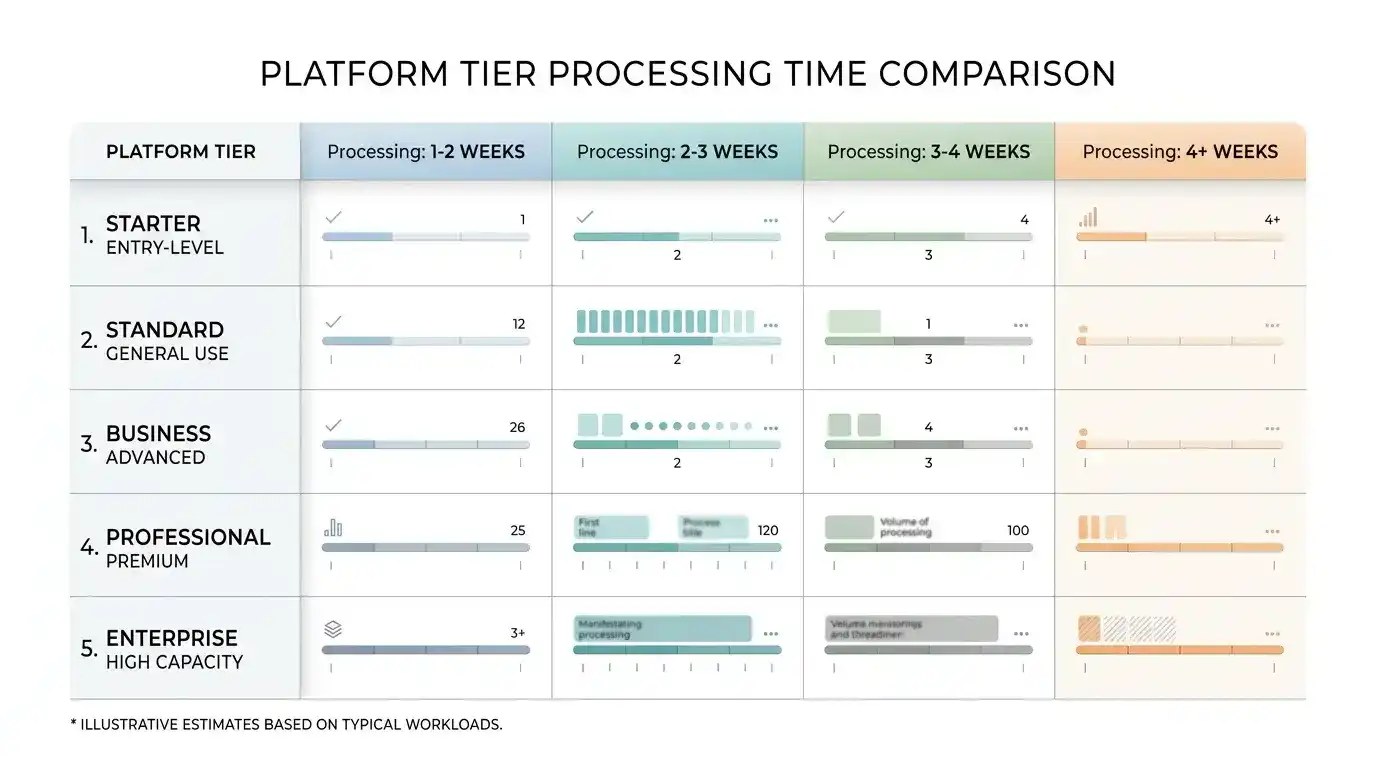
Processing times at established platforms are reasonably consistent. VGW properties (Chumba Casino, LuckyLand Slots, Global Poker) process AMOE credits within 2-4 weeks of receipt. Pulsz and WOW Vegas have reported similar timelines. McLuck and newer platforms sometimes have longer processing windows — 3-5 weeks — simply because their AMOE processing infrastructure is less developed than at platforms with larger operational teams. If you’re submitting to a platform that launched in the past 12 months, build in extra time on your expected credit timeline.
The SC amount delivered per AMOE submission is platform-specific and changes periodically with platform promotions. Typical amounts run 0.5-2 SC per submission at established platforms. That amount sounds small against a 50 SC redemption minimum, but at maximum submission frequency (weekly) over three months, AMOE alone can contribute 6-26 SC to your balance — meaningful acceleration toward the redemption floor when combined with daily login bonuses and registration credits.
One note on cost: a first-class stamp plus the marginal cost of the paper and envelope runs under $1 per submission. If a single AMOE submission produces 1 SC = $1 in redemption value, the return on postage cost is strong for a non-purchasing player. The time cost of writing and sending the card is 5-10 minutes per submission. Most free-play players who understand the math and commit to a consistent AMOE routine find it worth the effort, particularly during the accumulation phase before the first redemption. For a full picture of how AMOE fits into the free-play ecosystem, the how sweepstakes casinos work guide explains the dual-currency model in context.
The full picture is in our complete guide to US sweepstakes casinos.
The no-purchase rule behind it: how sweepstakes casinos work.
Published by the SweepEdge team.