Responsible Gaming at Sweepstakes Casinos: What Tools Exist and What's Missing
 Available in US
The gap between what responsible gaming looks like at a licensed casino and what it looks like at a sweepstakes casino is significant. At a regulated real-money casino in New Jersey or Pennsylvania, responsible gaming tools are mandated: self-exclusion registries, deposit limits, cooling-off periods, and connection to state problem gambling programs are all required as conditions of licensure. At sweepstakes casinos, which operate outside the licensing framework, none of these are legally mandated. Some platforms have implemented voluntary safeguards. Many have not, or have implemented them incompletely. The facts here are worth knowing regardless of how you play.
What Responsible Gaming Tools Are (and Aren’t) Available
The core data point that frames this issue: 90% of sweepstakes casino users believe they are engaged in gambling. That figure comes from an AGA survey of 2,250 players conducted in June 2025. And 68% of sweepstakes casino players cite winning real money as their primary motivation — a figure nearly identical to the 67% reported by iGaming players with the same motivation. The behavioral profile of sweepstakes casino users is, by self-description, essentially identical to that of real-money casino players.
The responsible gaming infrastructure that licensed casinos are required to maintain exists because regulators recognized that real-money gaming activity carries genuine risk of problematic behavior. The absence of that requirement at sweepstakes casinos is a documented gap — the American Gaming Association has been explicit about it, describing sweepstakes platforms as operating “without the player protections mandated for regulated markets.”
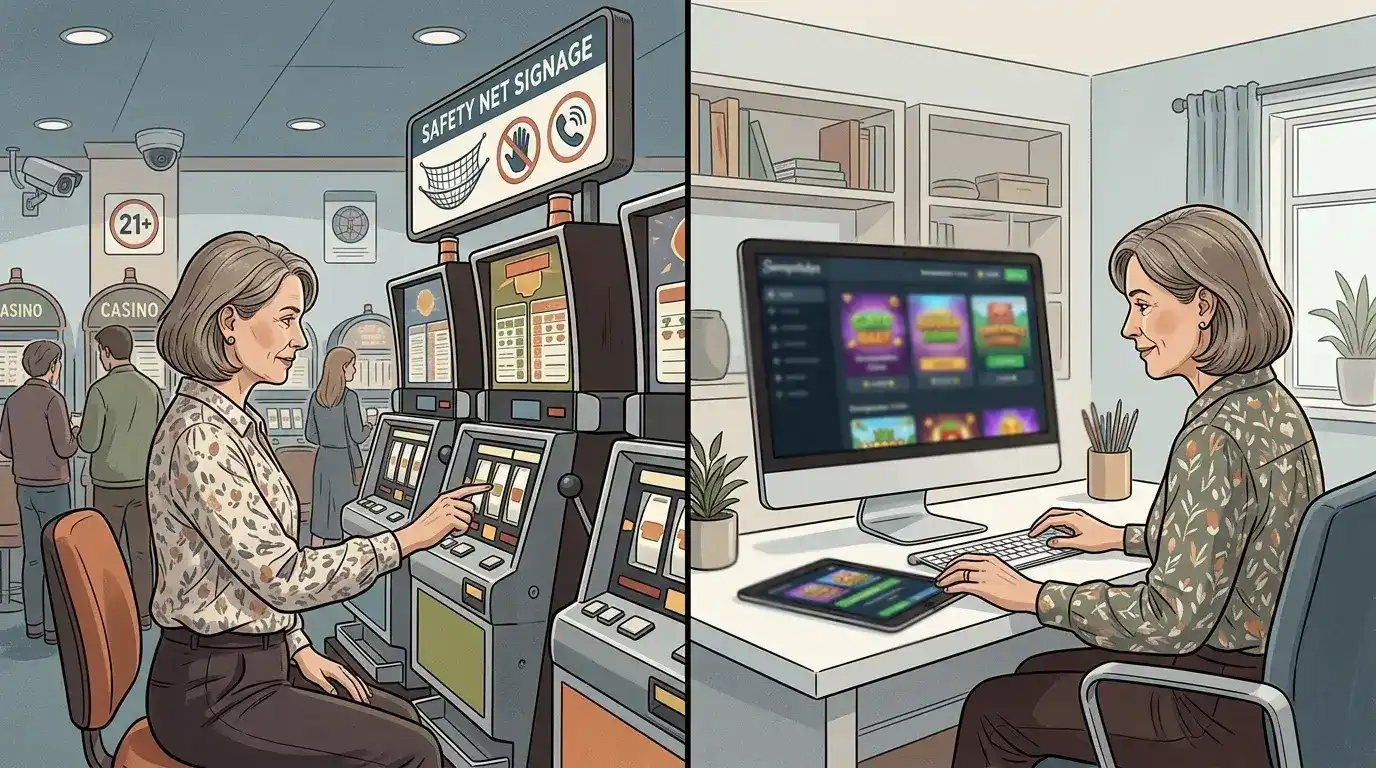
What voluntary tools do the established platforms actually provide? The better-resourced platforms — primarily those with ties to established gaming operators — typically offer: self-imposed purchase limits (restricting how much Gold Coin you can buy in a given period), account cooling-off periods (temporary locks that prevent login for a self-selected duration), and some form of permanent self-exclusion option. These tools exist at Chumba, Pulsz, and a handful of other established platforms. They are not consistently implemented across the broader market of 140+ platforms.

What is typically absent, even at the better platforms, is connection to state or national responsible gaming programs. Licensed casinos are required to participate in state self-exclusion registries, meaning a player who self-excludes from one licensed casino in a given state is typically excluded from all licensed casinos in that state. No equivalent registry covers sweepstakes casinos — a player who self-excludes from Chumba can still access Pulsz, LuckyLand, WOW Vegas, and any other platform. The self-exclusion tools at sweepstakes casinos are platform-specific, not portable.
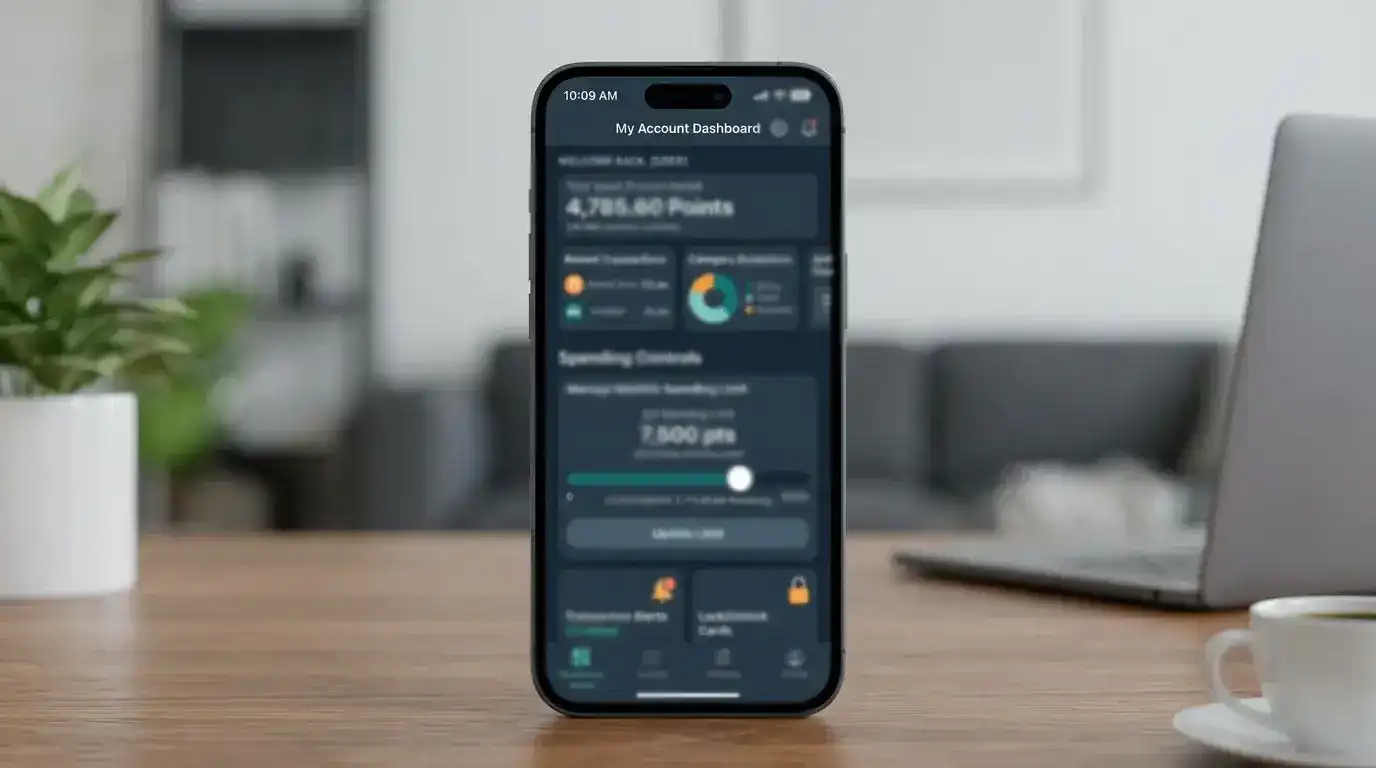
Spending caps — limits on Gold Coin purchases — are the tool most consistently available across the market tier I track. But they require the player to set them proactively. Many players are not aware the option exists. Platforms do not, as a rule, present purchase limit options prominently during the account creation or first-purchase flow. This is a design choice that defaults to unrestricted purchasing, which responsible gaming advocates have identified as a structural concern.
How to Self-Exclude From Sweepstakes Casinos If Needed
The self-exclusion process varies by platform, but the general pathway is consistent. Go to your account settings — the section may be labeled “Responsible Gaming,” “Player Protection,” or “Account Settings.” Look for options labeled “Self-Exclusion,” “Account Closure,” or “Cooling-Off Period.” Most established platforms offer at least a temporary cooling-off option (24 hours to several weeks) alongside a permanent closure option.
For permanent self-exclusion, submitting a direct request to customer support is more reliable than using an in-app toggle, because support-channel closures require human confirmation and are harder to inadvertently reverse. When submitting this request, be explicit: state that you want permanent self-exclusion and do not want to receive re-engagement emails or bonus offers. Retain the confirmation email you receive.

Because sweepstakes casino self-exclusion is platform-specific, you need to submit separate requests to each platform where you have an active account. If you have accounts at multiple platforms and need to step back from all of them, the practical task is contacting each platform’s support individually. This is more labor-intensive than the single-registry process available for licensed casinos, but it’s the current operational reality.
One specific wrinkle worth noting: some platforms will attempt to retain users who request account closure by offering “cooling-off” alternatives rather than immediately processing the closure. If your intent is permanent self-exclusion, be explicit in your request. Write “I am requesting permanent self-exclusion from this platform and do not want retention offers or reactivation emails” in your support message. Retain the confirmation. If you receive promotional emails after a self-exclusion request, respond directly referencing your exclusion confirmation date — this creates a paper trail and usually results in immediate marketing opt-out.
Where to Get Help: Trusted Resources for Problem Gambling
If sweepstakes casino play has created financial or personal difficulties, the resources that can help are the same ones designed for real-money gambling — because the behavioral mechanisms involved are substantively the same. The National Problem Gambling Helpline operates at 1-800-522-4700 and provides confidential support around the clock. The National Council on Problem Gambling maintains state-specific resource directories at ncpgambling.org. Gamblers Anonymous chapters operate in most major US cities and many smaller communities.

The framing that “it’s not real gambling so it can’t be a real problem” is directly contradicted by the player perception data above. 90% of players describe what they’re doing as gambling. The help resources are appropriate regardless of the platform’s legal classification. If you or someone you know is concerned about sweepstakes casino play patterns, these organizations have experience with social casino and sweepstakes formats specifically — it’s a recognized presentation in problem gambling counseling. For context on the comparison between sweepstakes platforms and licensed alternatives, see the sweepstakes casino vs. online casino comparison.
The full picture is in our complete guide to US sweepstakes casinos.
How the format differs from licensed play: the comparison.
Written by the editors at SweepEdge.